欢迎来到 [东方港湾展览]
, 进入
2027宁波国际汽车零部件及售后市场展览会
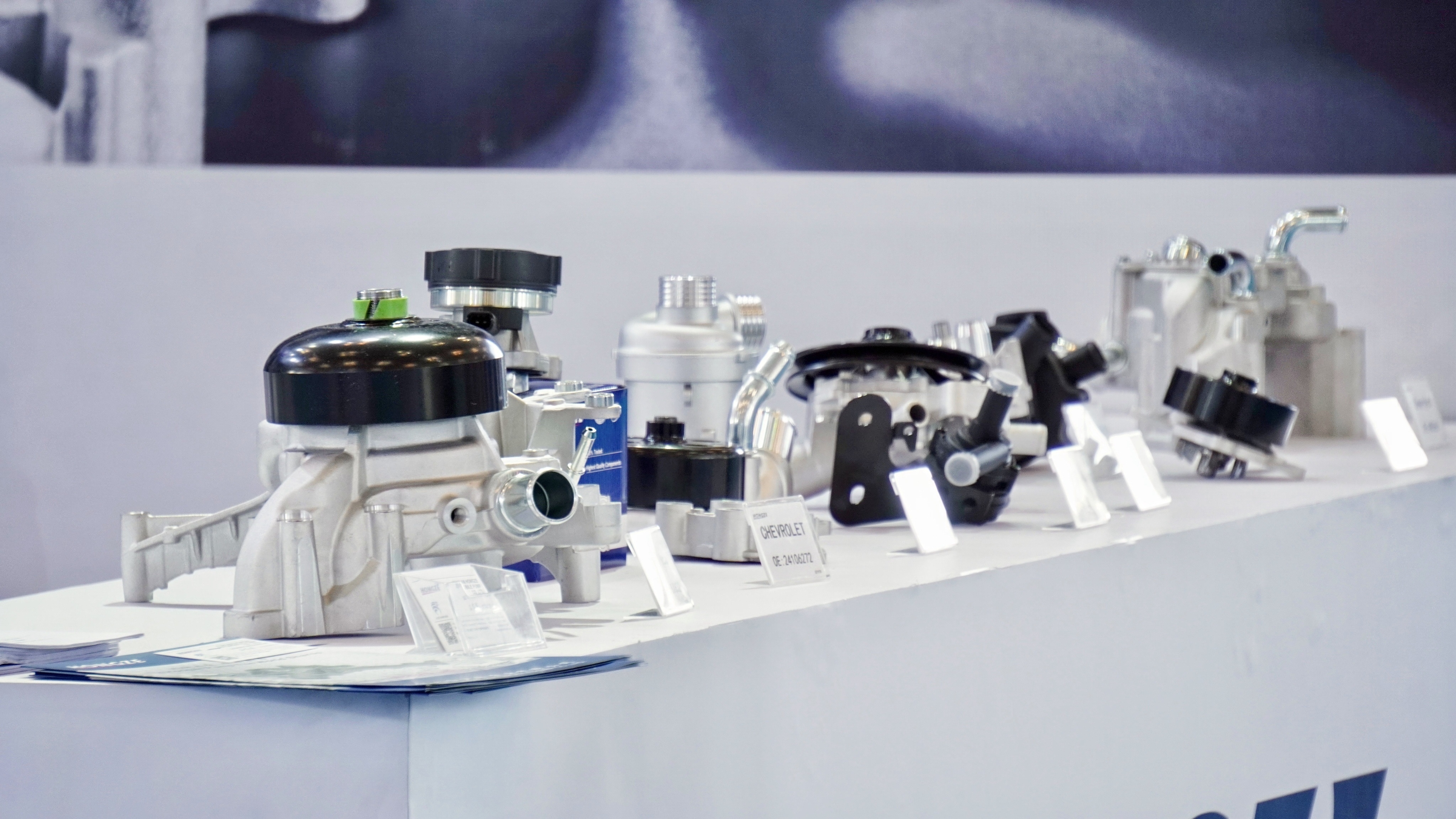
As the domestic market becomes increasingly competitive, is the overseas market necessarily easier to do business in?
According to data from the General Administration of Customs compiled by the China Association of Automobile Manufacturers, from January to August 2026, the export value of auto parts products totaled US$69.39 billion, up 8.4% year on year; in August alone, it rose 7.5% year on year. Over the same period, complete vehicle exports grew 51.2% year on year. The going-global of auto parts has entered a deep-water phase, and the “price-for-volume” mindset needs to change.
Opportunities remain, but the threshold has changed. Tariff adjustments in Europe and the US, tighter market-access certification, exposed after-sales weaknesses, and rising NEV penetration are rewriting the rules of competition. How can Chinese auto parts companies break through?
Looking at a series of major industry events in 2026: in May, Ningbo Gaofa announced plans for an overseas production base in Morocco, exploring the expansion of production capacity to North Africa; in June, Pacific Precision Forging Technology’s Thailand production base was officially put into operation, marking a shift in overseas layout from investment planning to actual production; in September, CATL’s Debrecen plant in Hungary started pilot cell production, as China’s core automotive supply chain continues to move closer to overseas complete-vehicle industrial clusters.
At the same time, cross-border e-commerce models are maturing rapidly. Zhejiang Hongguan Technology closely follows demand for mainstream overseas vehicle models to select products in a targeted manner, and relies on overseas warehouses to achieve efficient parts replenishment. Guangzhou Wanxi Auto Parts integrates related parts for the same vehicle model into complete-set solutions, reducing overseas buyers’ sourcing and order-follow-up costs.
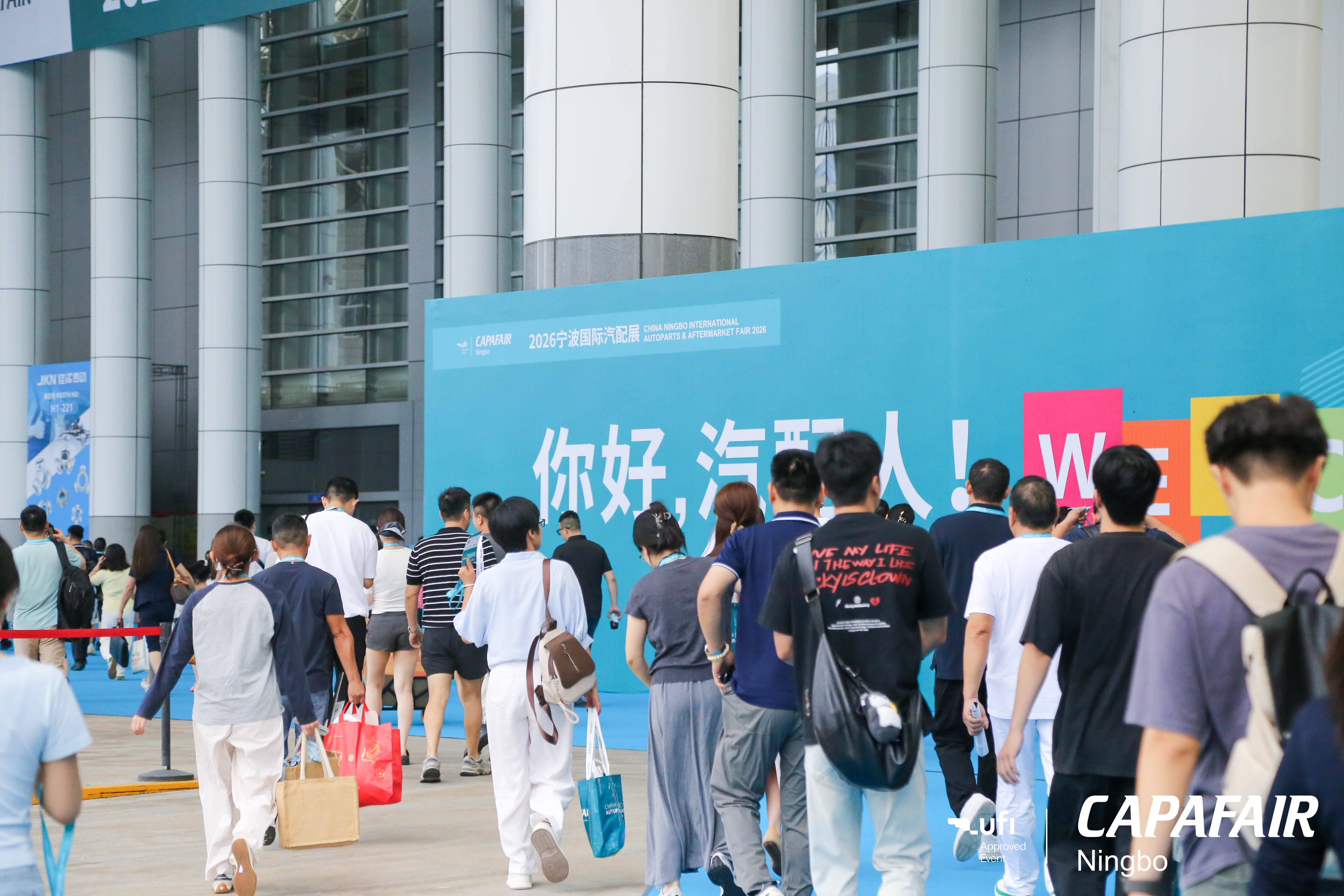
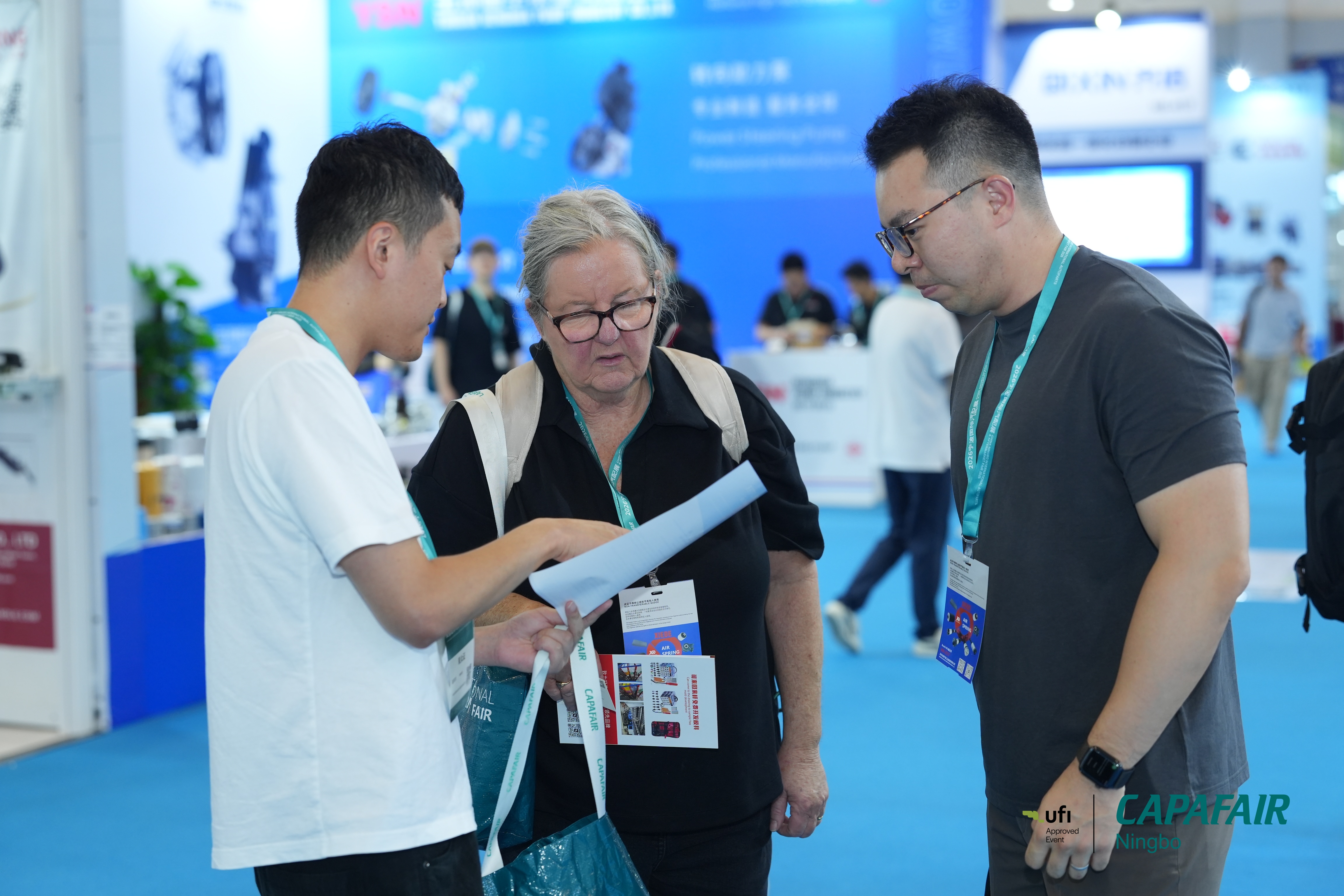
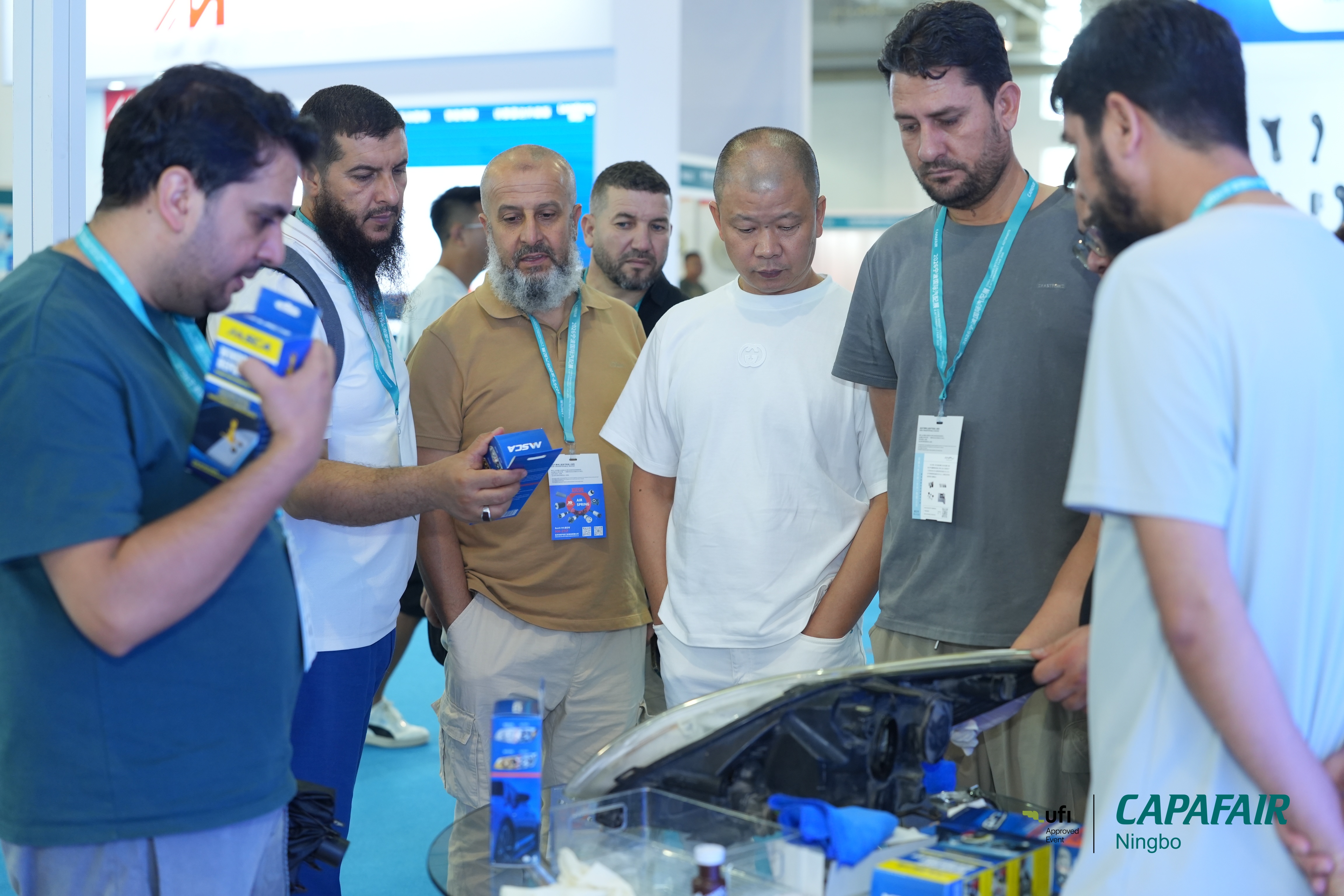
For global auto parts buyers, sourcing is not just about comparing prices; it is about finding a Chinese supply chain with a complete category range, stable supply, timely response, and the ability to sustain cooperation. The 2027 Ningbo International Auto Parts Fair (CAPAFAIR 2027, Ningbo International Convention and Exhibition Center) builds a one-stop business platform for global buyers. Leveraging the advantages of Yangtze River Delta industrial clusters and Ningbo Zhoushan Port as a foreign trade hub, it gathers China’s source manufacturing resources and helps buyers efficiently complete supplier screening, technical verification, and business negotiations.
01
Industrial clusters determine supply depth
China’s auto parts industry does not lack production capacity; it has already formed multiple regional industrial clusters with distinctive characteristics. From the Yangtze River Delta and Pearl River Delta to the Beijing-Tianjin-Hebei region, central China, Chengdu-Chongqing, and Northeast China, different regions have accumulated their own industrial advantages.
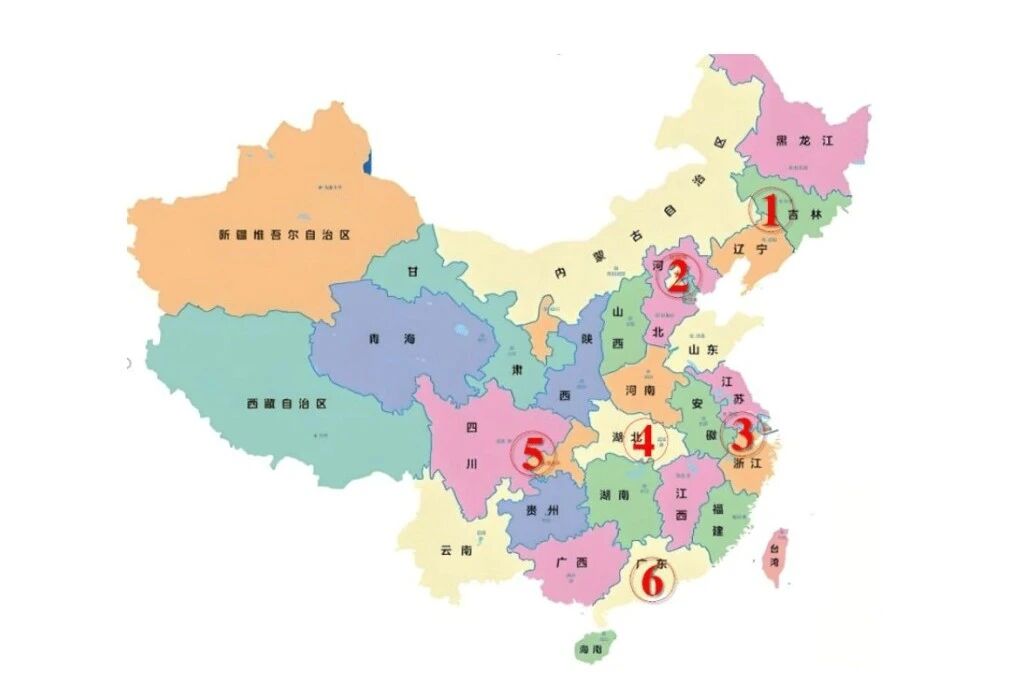
△ Image source: internet
Taking Ningbo as an example, distinctive resources such as Yinzhou automotive electronics, Cixi precision bearings, Yuyao plastic interior and exterior parts, and Beilun die-casting and lightweighting provide a diversified supporting foundation for auto parts manufacturing.
Different regions form specialized division of labor around segmented fields, and raw materials, parts processing, and supporting manufacturing are linked within industrial clusters. What going global competes on is precisely the supporting depth and collaboration efficiency this brings.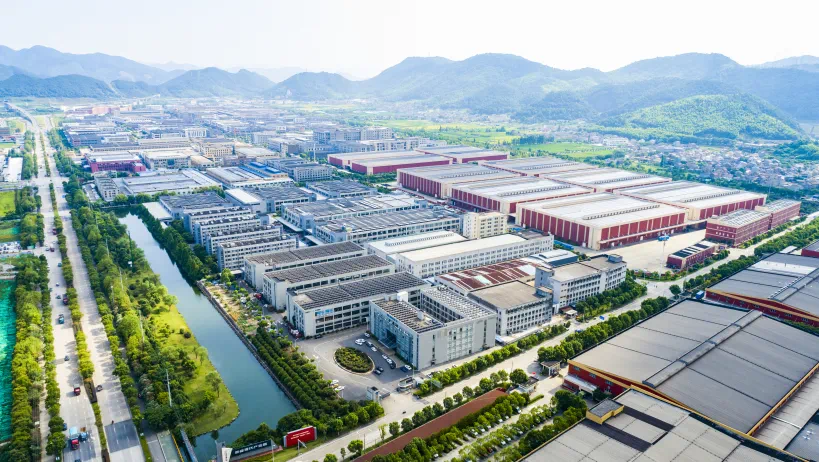
△ Beilun Lingfeng Modern Industrial Park, Ningbo. Image source: Beilun Release
The more concentrated the industrial resources, the more opportunities there are to meet more suppliers and compare different products within a limited time. This is exactly the significance of a professional auto parts exhibition.
CAPAFAIR 2027 will open all nine exhibition halls, bringing together China’s distinctive auto parts industrial clusters from the Yangtze River Delta, Pearl River Delta, Beijing-Tianjin-Hebei, central China, Chengdu-Chongqing, and other regions, with more than 2,200 capable source suppliers, presenting buyers with a Chinese auto parts supply chain of greater depth and breadth.
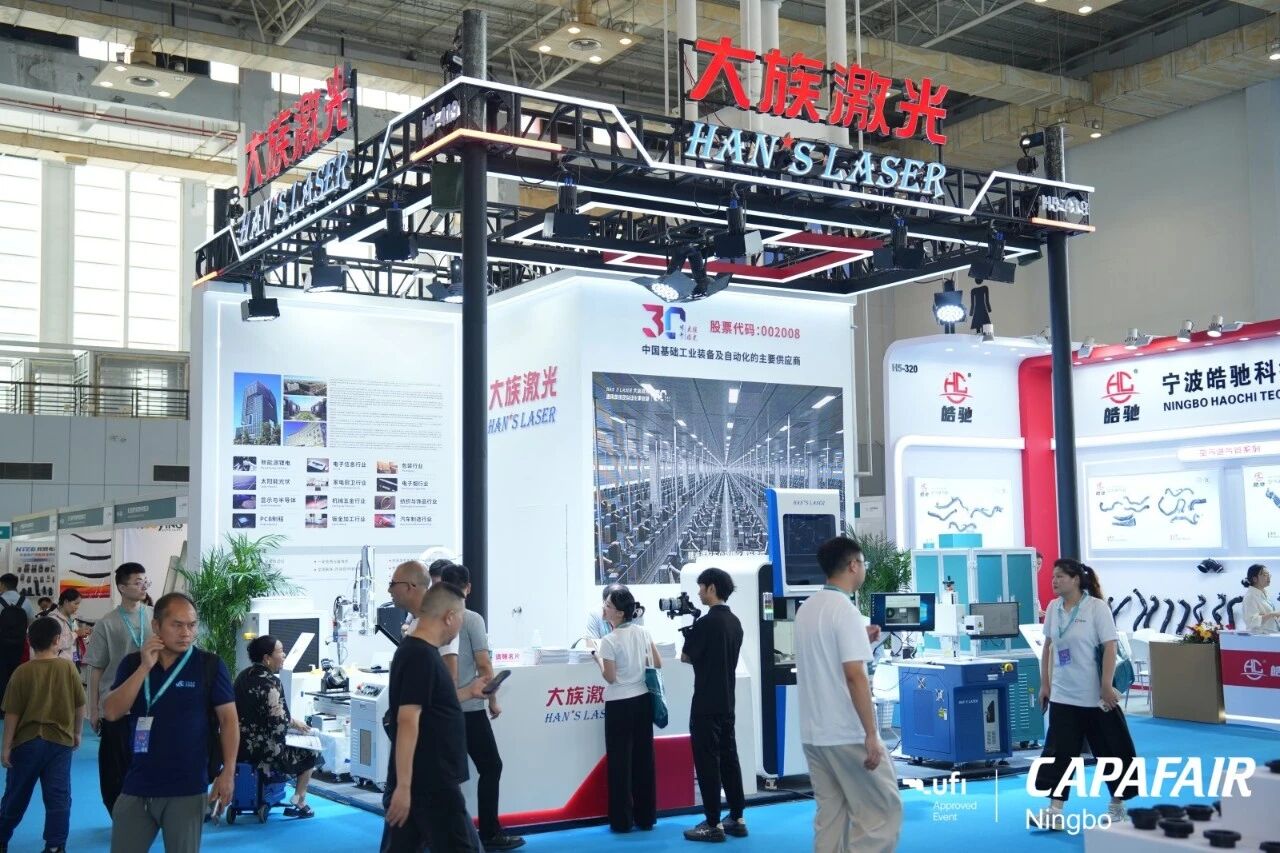
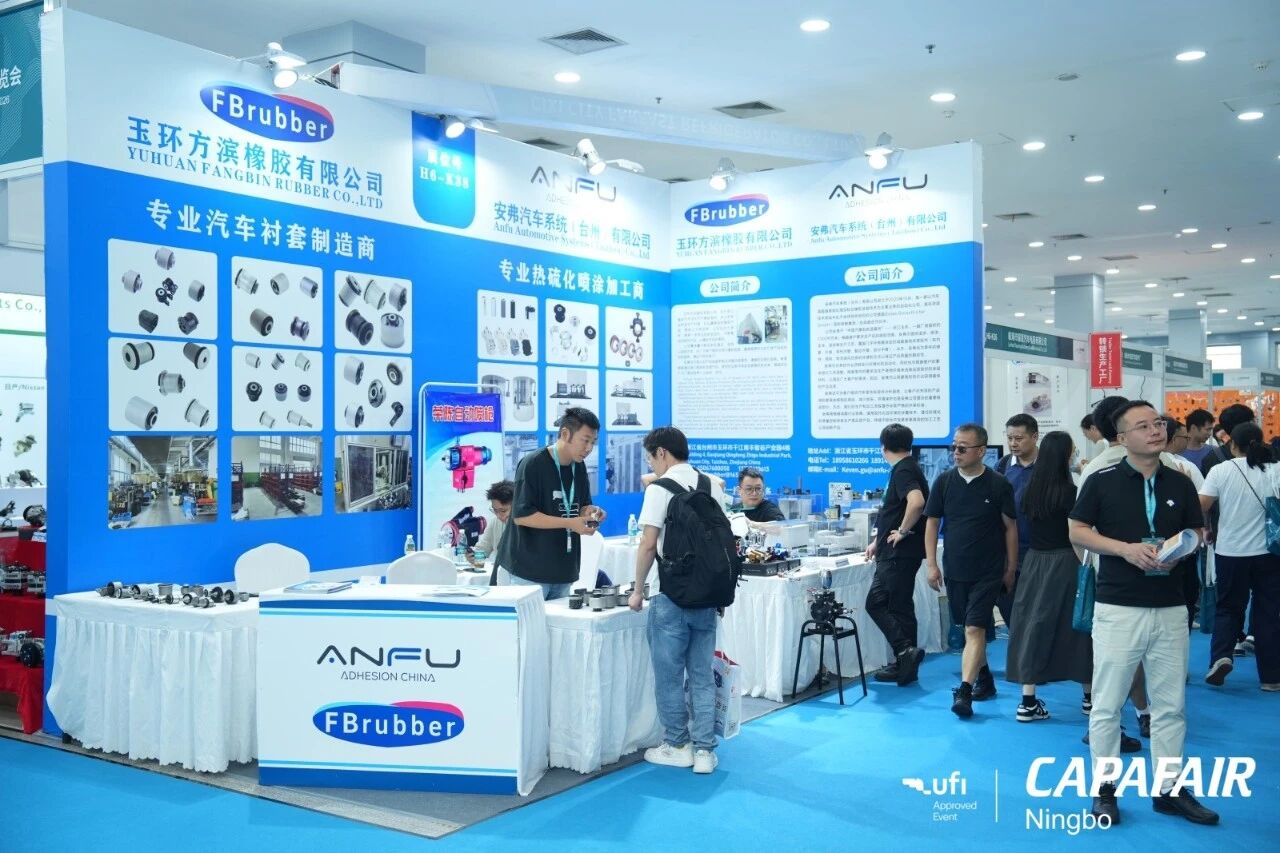
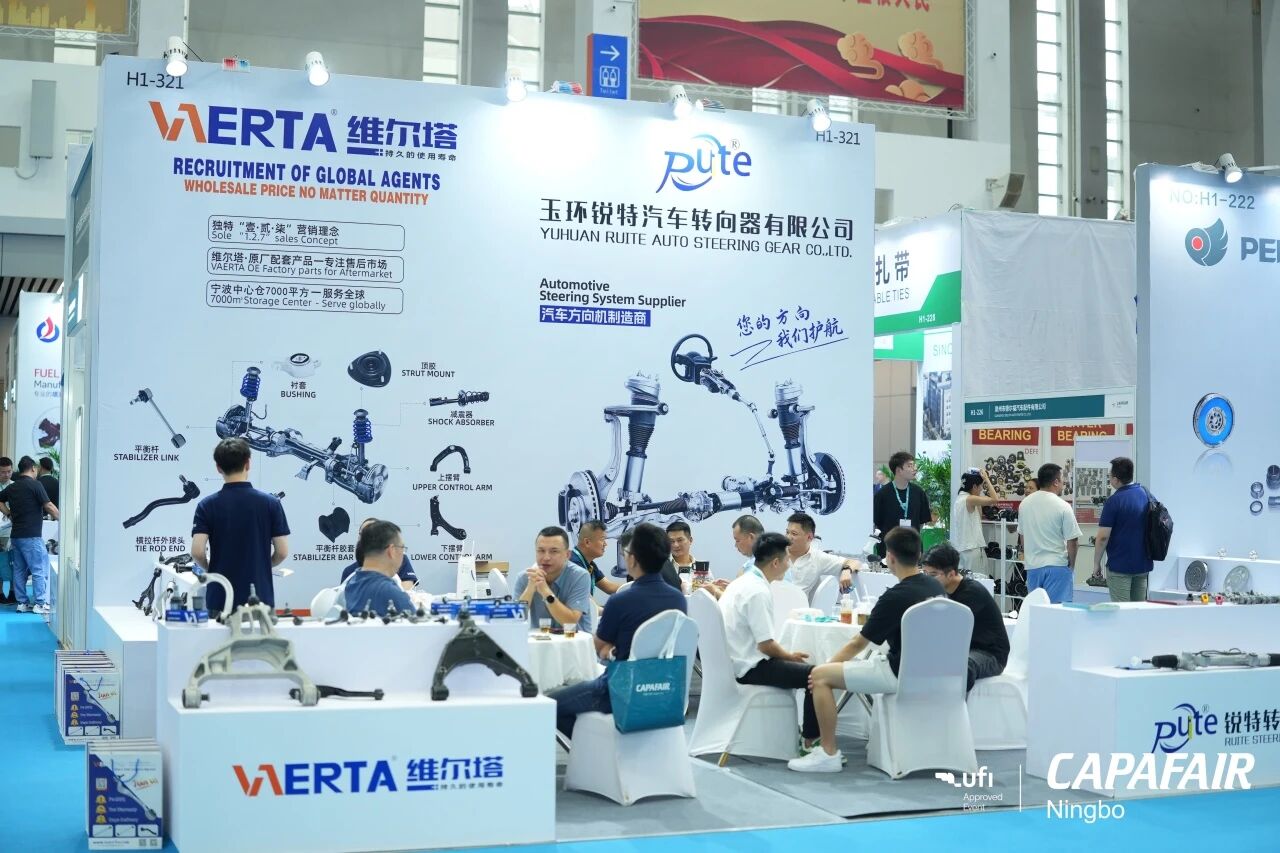
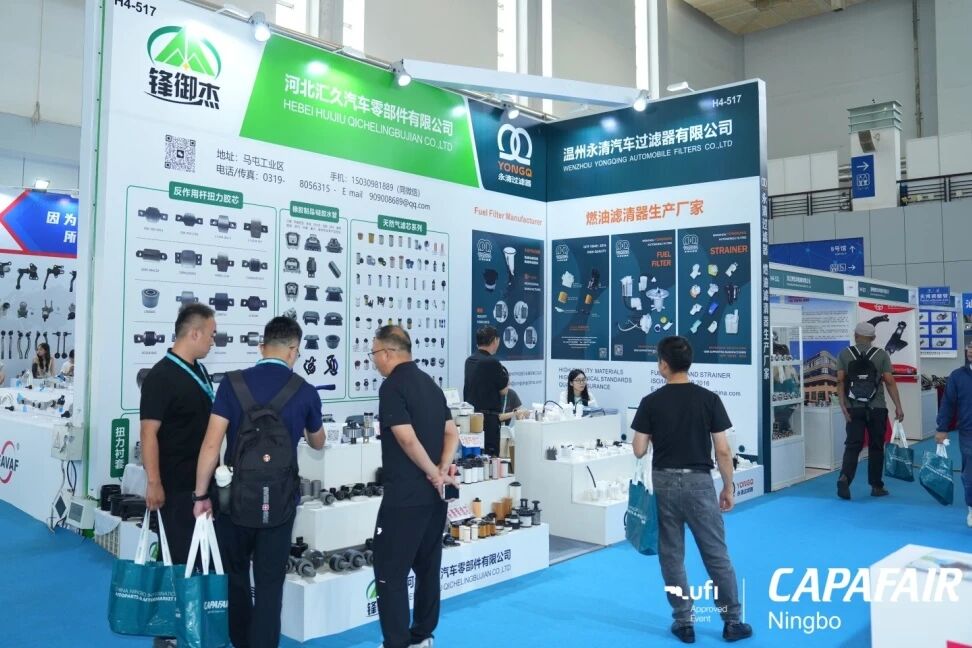
Rich category reserves and unmatched collaborative supporting capabilities.
02
Keeping pace with the market: traditional categories and new energy demand develop in parallel
The huge global fuel vehicle parc and continuously growing repair and maintenance demand provide a stable market foundation for traditional fuel vehicle parts. At the same time, with the development of NEVs, demand for related products such as three-electric supporting systems, thermal management, and lightweight structural parts is strong.
This is not a simple case of one rising while the other falls. Different countries and regions differ in vehicle ownership structure, repair systems, and consumer spending power. Through the 2026 Ningbo International Auto Parts Fair, we can observe international market trends. Interested readers can click the blue link to read: Overseas Buyers Eagerly Anticipate: How CAPAFAIR Illuminates the Global Marketplace
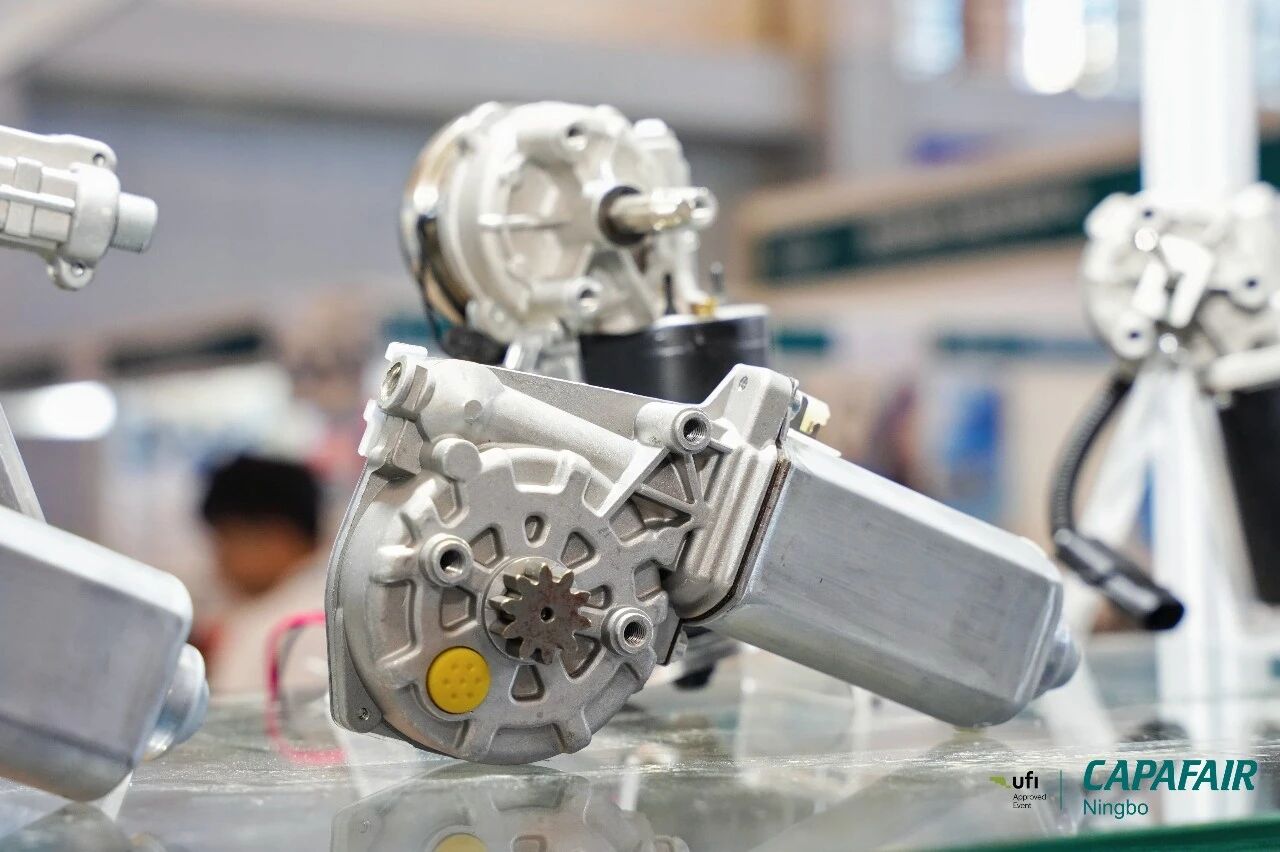
An international order generally involves multi-category combined orders and supporting procurement. CAPAFAIR 2027 will continue to cover six major sectors: auto parts and components; automotive electrical and electronics; automotive accessories and modification; new energy and lightweighting; repair/testing and maintenance; and processing technology and equipment. It is expected to display 100,000+ exhibits, suitable for various vehicle types such as passenger cars, commercial vehicles/trucks/construction vehicles, NEVs, and motorcycles.
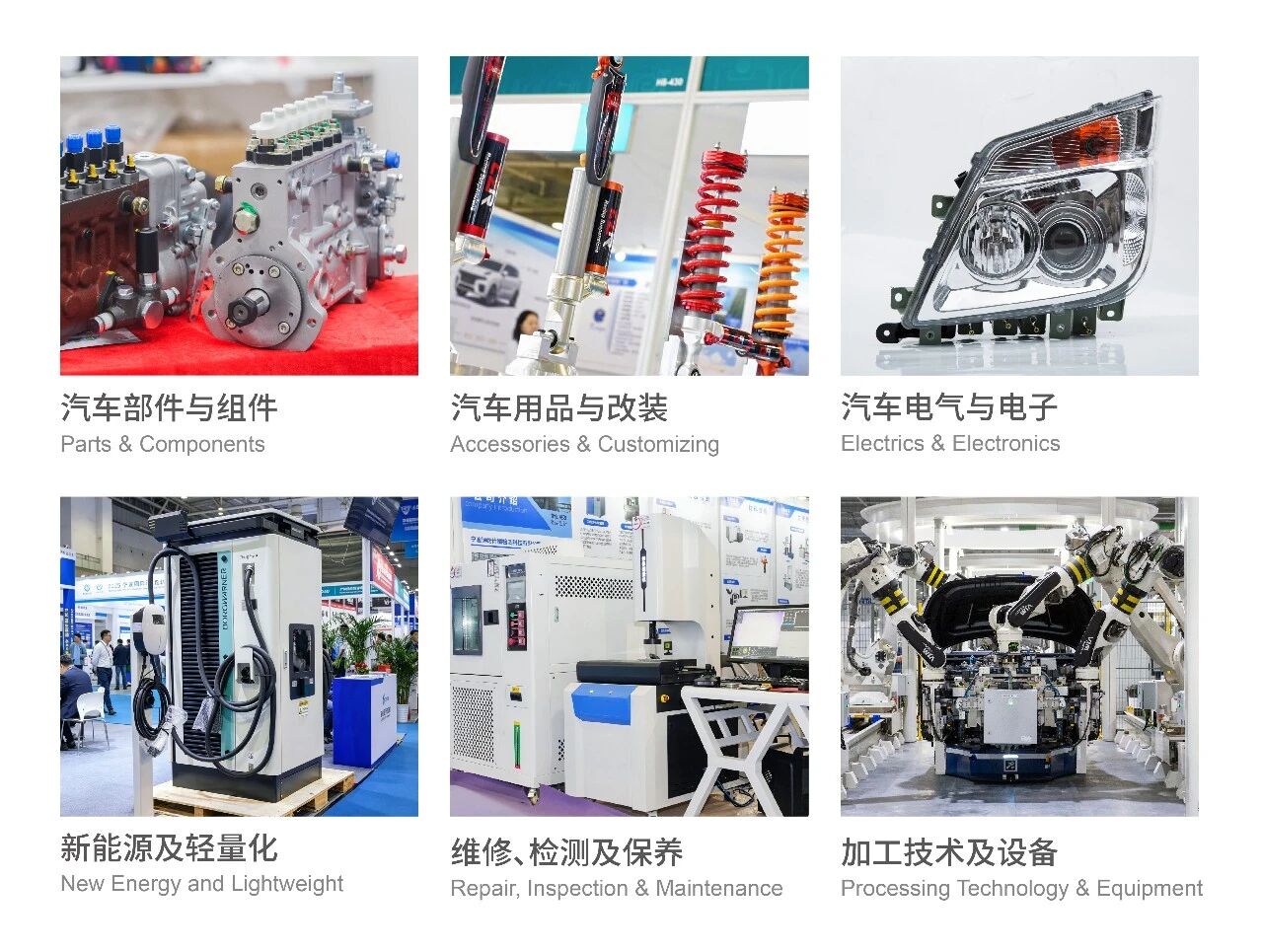 One exhibition brings new directions, new supply resources, and the starting point for the next deal.
03
Leveraging port advantages to build a cross-border auto parts ecosystem
Global shipping networks make going-global channels smoother.
Ningbo Zhoushan Port’s developed maritime network and sea-rail intermodal transport system closely connect Ningbo with domestic industrial hinterlands and international trade markets, providing important logistics support for auto parts products going global.
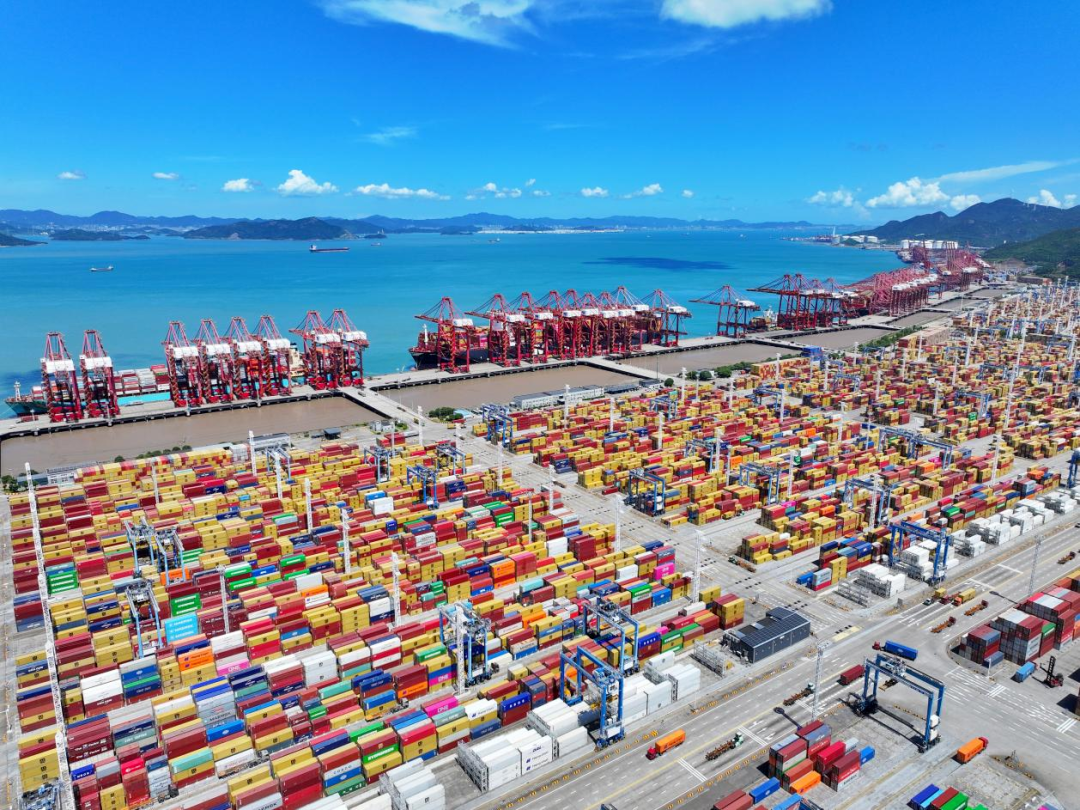
△ Ningbo Zhoushan Port. Image source: Ningbo Release
At the same time, Ningbo’s active foreign trade market, rich international trade experience, and continuously improving cross-border trade services together form an open advantage connecting global markets, helping products reach target markets efficiently.
On this basis, CAPAFAIR 2027 builds a complete cross-border auto parts industry ecosystem. The exhibition continues to attract well-known global cross-border e-commerce platforms to exhibit and share practical insights, providing everyone with cutting-edge ideas and hands-on experience. Industry peers can obtain resources for the entire going-global process on site!
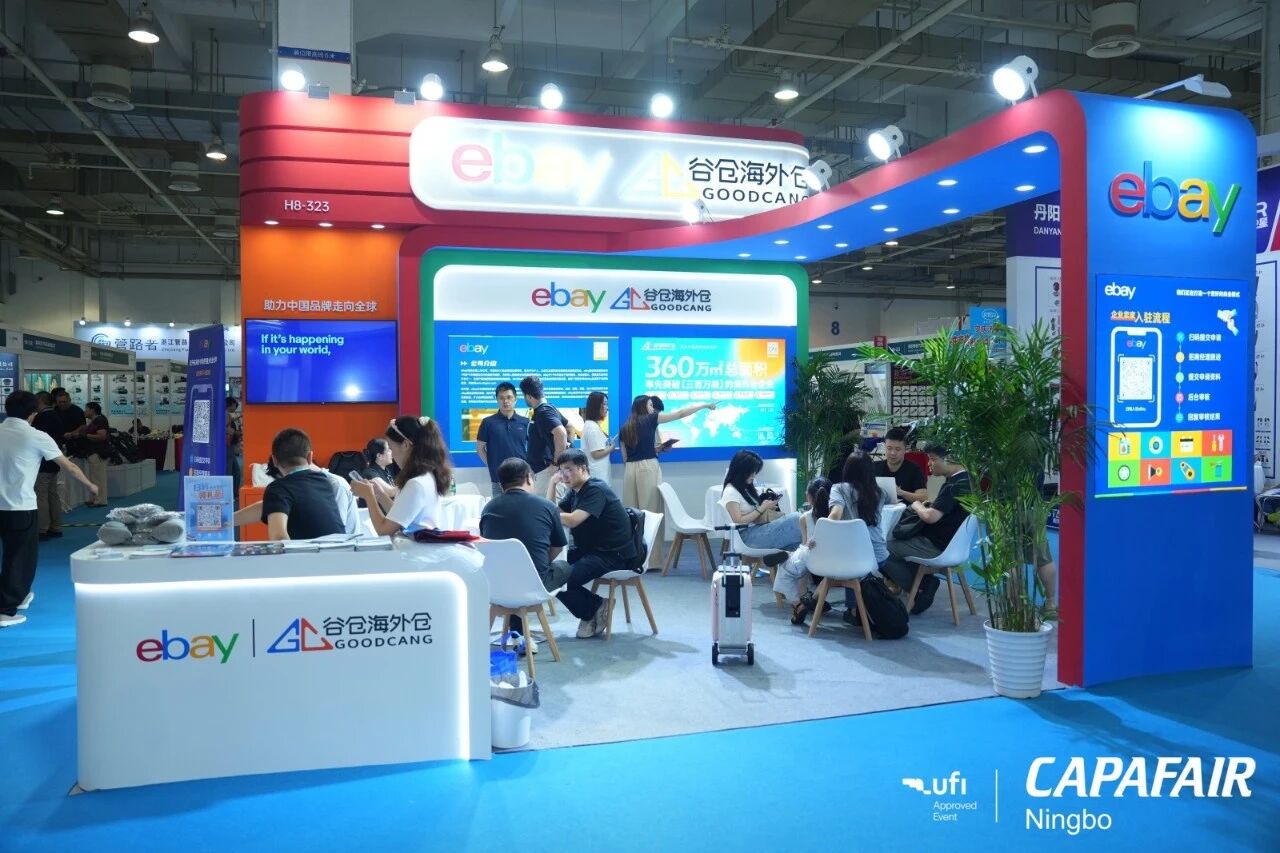
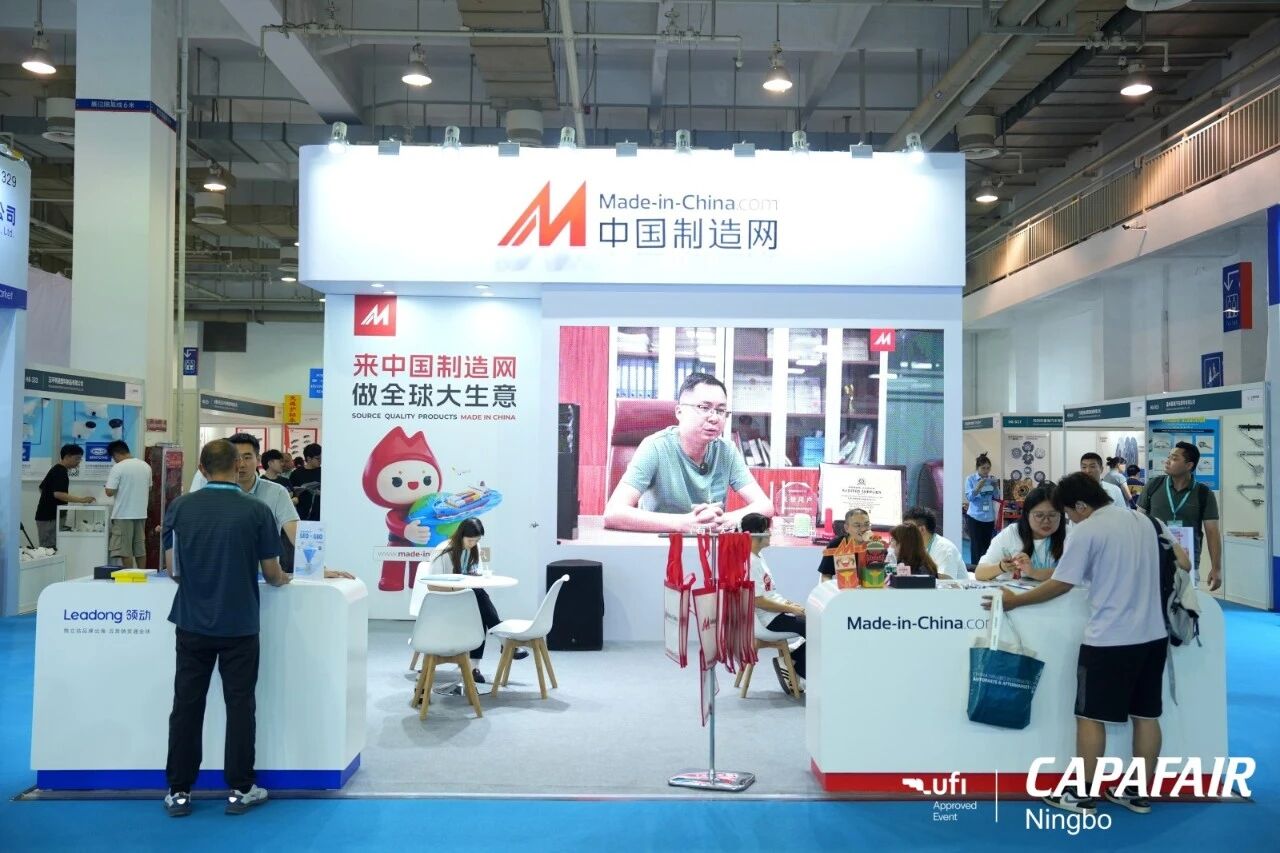
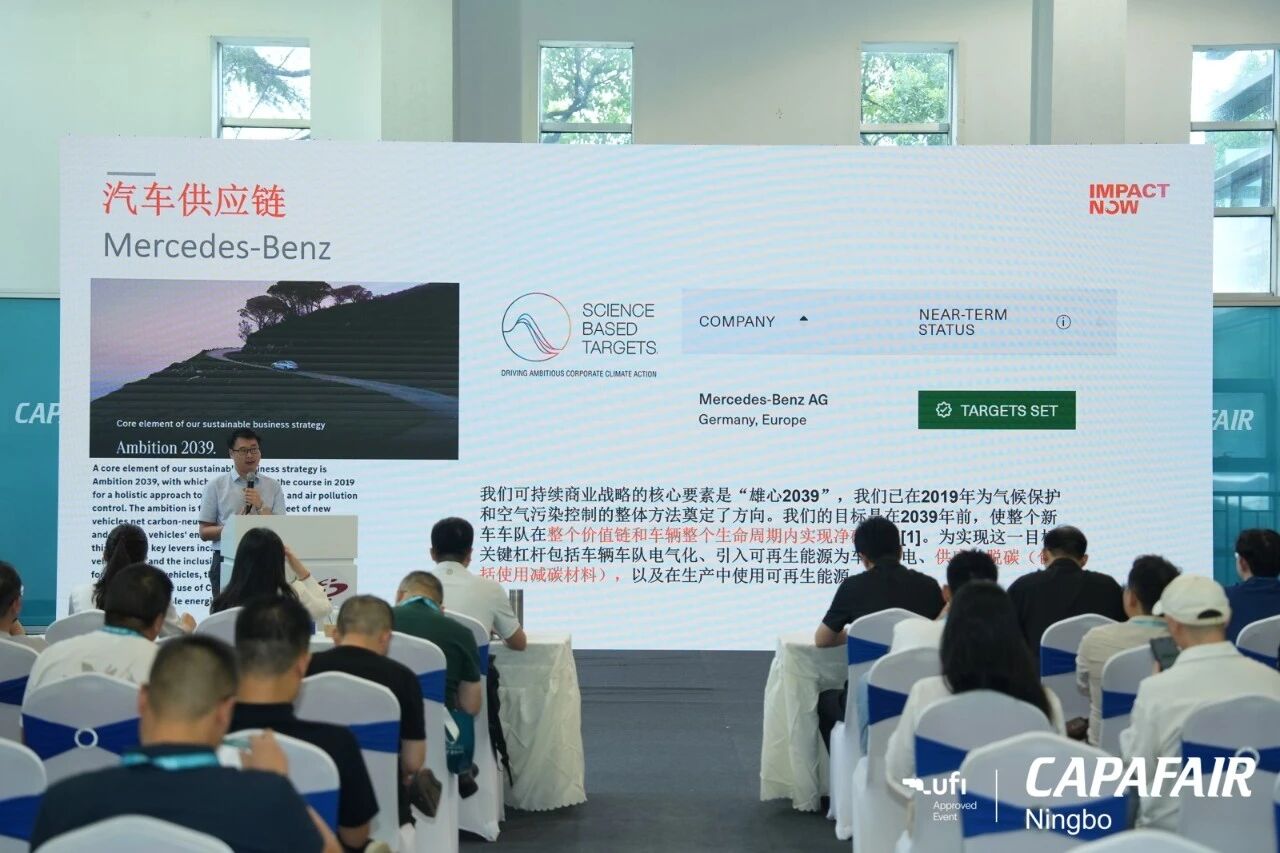
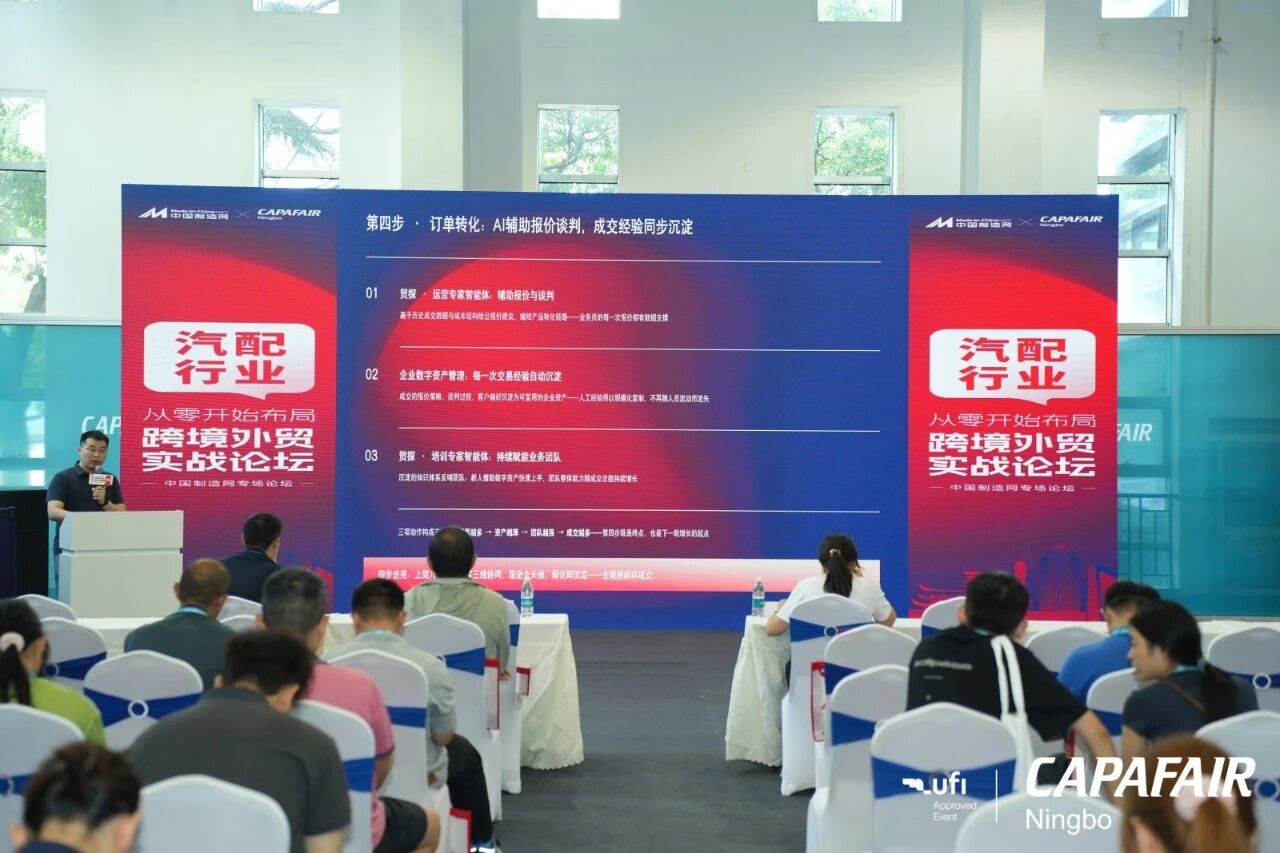
A mature foreign trade ecosystem makes international trade connections more efficient.
04
Connecting online channels: unlimited business opportunities gather in the cloud again
Expand customers online and verify strength offline; let demand and supply truly meet and turn traffic into business opportunities.
CAPAFAIR has fully upgraded its online exhibition service platform—capafair.com—integrating four core functions: exhibition, trade, information, and networking. It operates 365 days a year without interruption, continuously providing professional and efficient services to exhibitors, buyers, and auto parts practitioners worldwide.
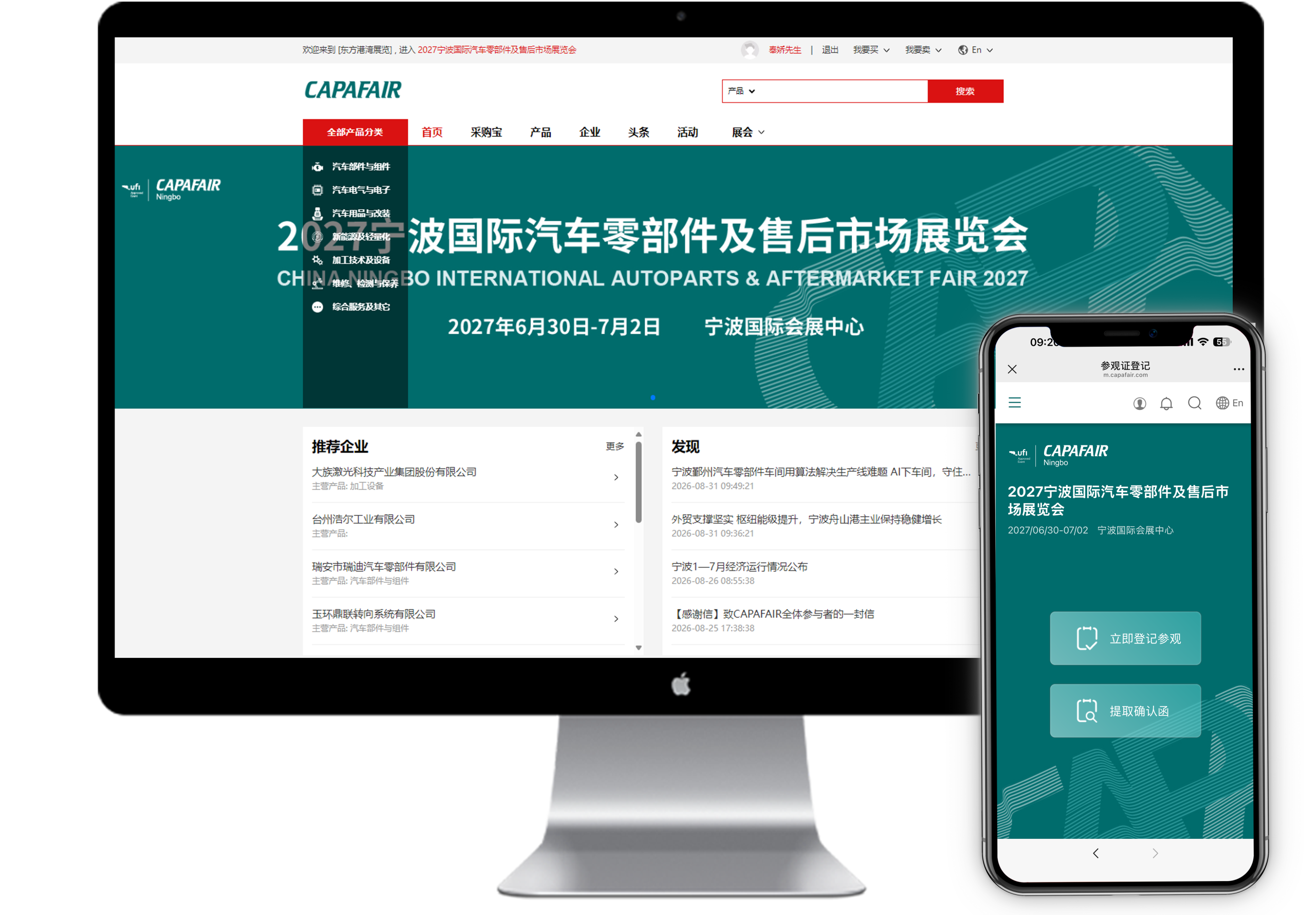
Companies can display product information and corporate news online; buyers can publish personalized procurement requests online, and the system automatically screens and recommends suitable potential suppliers. At the same time, the industry information section pushes the latest auto parts industry trends and market conditions in real time, helping both supply and demand sides keep abreast of the market pulse!
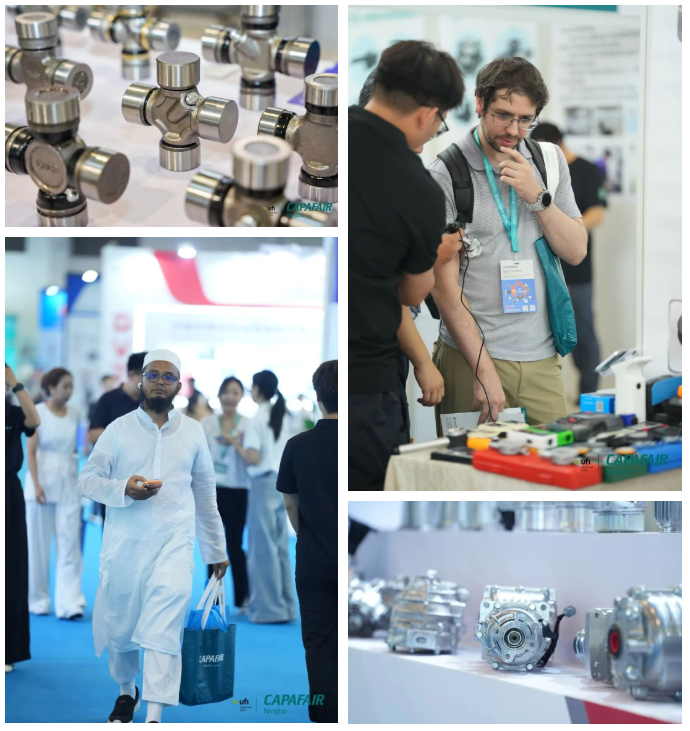
Going global in auto parts begins with products, succeeds through quality, and endures on trust.
The era of going it alone is over. Let good products meet good buyers, and let supply chains connect with good markets! From June 30 to July 2, 2027, at the Ningbo International Convention and Exhibition Center, step into China’s auto parts industrial clusters, seek business opportunities together, expand markets together, and write a new chapter in the globalization of China’s auto parts industry!


 9