欢迎来到 [东方港湾展览]
, 进入
2027宁波国际汽车零部件及售后市场展览会
What Are Overseas Markets Actually Buying?
From the procurement floor of CAPAFAIR: New directions for 2027 international orders
At CAPAFAIR 2026 Ningbo International Auto Parts Exhibition, 1,047 overseas buyers travelled from across the globe. We interviewed auto parts importers, distributors and trading companies from Australia, Europe, America, Russia, the Middle East, Africa, Southeast Asia and other regions.
They shared their genuine procurement demands and core criteria for selecting suppliers. After years of global supply chain disruptions, a growing number of overseas buyers have come to realise: a low-cost supply chain does not equal a stable supply chain.
For enterprises manufacturing auto spare parts, heavy-duty truck components, engine parts, brake parts, body panels and more, these firsthand insights from procurement frontlines serve as a weather vane for future market opportunities.

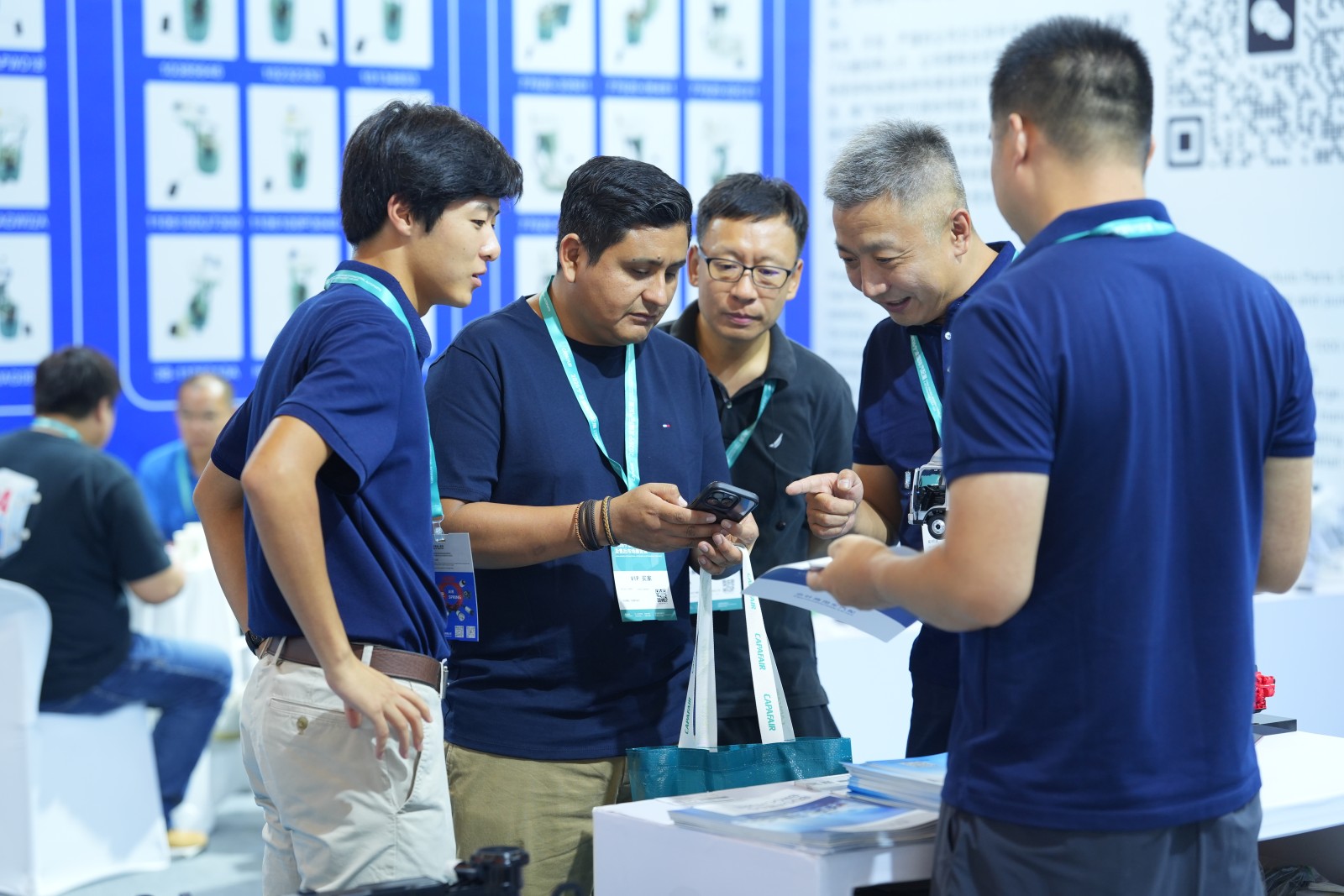
▲CAPAFAIR 2026: On-site interviews with overseas buyers
01 Southeast Asia
Strong demand for Japanese-brand chassis; supply gaps for European-spec parts
Southeast Asia is one of the world’s fastest-growing aftermarket automotive regions. Local car owners prioritise cost-effectiveness and do not automatically opt for premium OEM parts. Demand for Japanese and Chinese vehicle components remains steady over the long term. Replacement parts such as chassis components, suspension parts and lamps — durable and affordable — are high-volume staples.
A distributor from the Philippines told us that Japanese and Chinese-brand vehicles account for a large local fleet, while his company specialises in European car parts. He made the trip specifically to source suppliers for Peugeot, BMW, Mercedes-Benz and other brands. “We want to communicate directly with manufacturers and cut out middlemen.”
Indonesian traders focus on mainstream models: “We mainly procure parts for Toyota Hiace. Chinese auto parts hold a strong market share in Indonesia, yet certain niche components remain hard to source.” Asked what matters most when choosing Chinese suppliers, his answer was straightforward: “Price and quality.”
02 Central Asia & Russia
Robust heavy-duty truck demand; Made-in-China products filling gaps
If opportunities in Southeast Asia are broad-based, the Central Asian and Russian markets are defined by stability. Demand for heavy-duty trucks and traditional internal combustion engine (ICE) vehicle parts remains solid, representing the most certain track. Demand for new energy vehicle (NEV) components is moving from the budding stage into early growth. Buyers seek long-term stable supply rather than one-off transactions, with strong customer loyalty.
A Russian buyer stated frankly: “ICE vehicles dominate our domestic market. We mainly source parts for Chinese-brand vehicles — body panels, steering components, bearings and so on.” His supplier selection priorities are clear: “Quality first, then price. We also value smooth ongoing communication and the possibility of factory visits. We are looking for long-term, stable partnerships.”
A Tajikistan purchaser had a well-defined goal: “I am here to source cost-effective heavy vehicle parts. CAPAFAIR lets me connect directly with Chinese original manufacturers, view a wider range of products and suppliers, and bring Chinese goods back to our country.” When asked about benchmarks for quality suppliers, he cited three descriptors: “Reliable quality, reasonable pricing, good partnership.”
A buyer from Afghanistan follows a rigorous procurement logic: “When selecting suppliers, I carry out on-site verification of factories, raw materials and production lines, and pay close attention to order lead times. NEV penetration in Afghanistan is still low, but the NEV market in Dubai is expanding rapidly, so we are building our portfolio in parallel.” He stressed: “Supplier selection requires comprehensive evaluation. Factory capacity, product quality, raw materials, production equipment, delivery schedules — many factors are critical.”
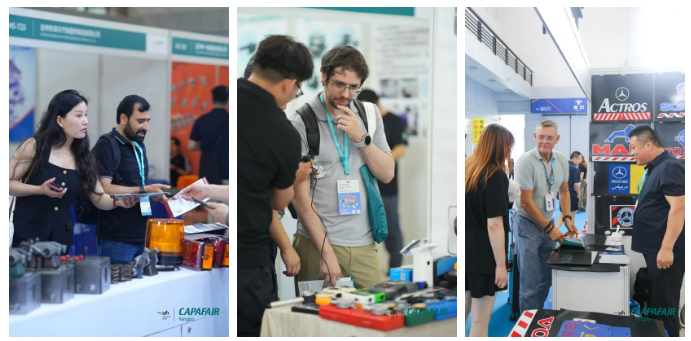
▲CAPAFAIR 2026 Exhibition Floor
03 Middle East
Quality consistency tops all; NEV demand quietly rising
The Middle East has one of the world’s highest concentrations of vehicles. High temperatures and dusty conditions accelerate component wear, while local manufacturing capacity is severely limited. China has become a key source of imported auto parts for the region. Buyers here are relatively less price-sensitive but impose stringent requirements on consistent, stable quality.
A Dubai trader who manufactures lubricants attended the show to extend his industrial chain: “Our customers frequently purchase spare parts alongside lubricants. Ningbo is a hub of China’s auto parts industry, so we came here to find suitable partners. Several suppliers have caught our attention, and we hope to seal cooperation in the future.”
An Omani trader’s pain point is widely shared across the Middle East: “Our biggest challenge is inconsistent quality from suppliers. Samples may look excellent at first, yet mass production shipments often fall short of standards.” He also revealed his firm is expanding procurement of repair parts for hybrid electric vehicles.
A Yemeni buyer has witnessed the rise of Chinese automotive brands locally: “Demand for German, Japanese and Chinese auto parts is strong. Chinese vehicles are growing more popular in our country. We plan to increase procurement of spare parts for NEV models including BYD, Li Auto and Huawei. Honestly, product quality is our top priority. We will partner with factories that can consistently deliver good quality.”
04 Africa
ICE aftermarket parts remain the core foundation
Africa holds considerable market potential. ICE aftermarket spare parts form the fundamental backbone, while large-scale NEV growth will take more time. On-site factory audits have become a key step in vendor selection for local buyers — tangible production capacity carries more weight than quotations. Buyers prefer original manufacturers capable of sustained long-term supply.
The head of a leading Egyptian auto parts group with over 50 years in business said their product portfolio covers suspension, engine, brake and electrical components. Nevertheless, NEV ownership in Egypt is still limited.
An Ethiopian purchaser is more optimistic about new energy: “The NEV market carries huge potential with strong government support, and demand will keep rising. Power batteries, brake pads, electric vehicle components… our country now has many EVs across nearly all brands — Mercedes, BMW. BYD is our key focus, alongside Changan and other Chinese EV brands, which are popular locally. Local battery stock is insufficient, so we are here to source replacement batteries and other components.”
A South African buyer outlined his strategy: “ICE parts remain our core business, yet South Africa’s NEV market is growing well, and we are developing our NEV component sourcing. Headlights, hoods, radiator assemblies, drive shafts and fenders are among our main procurement categories.”
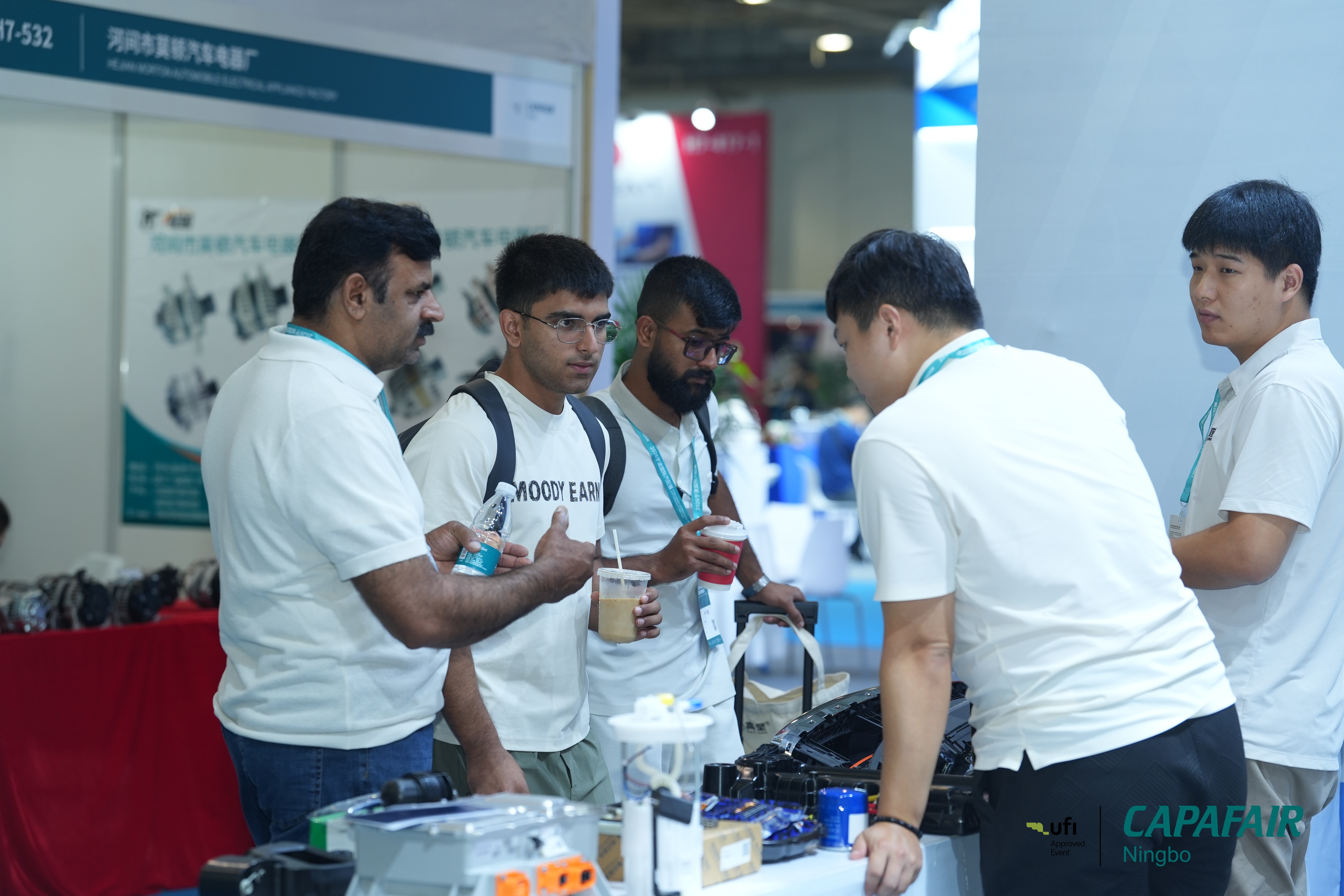
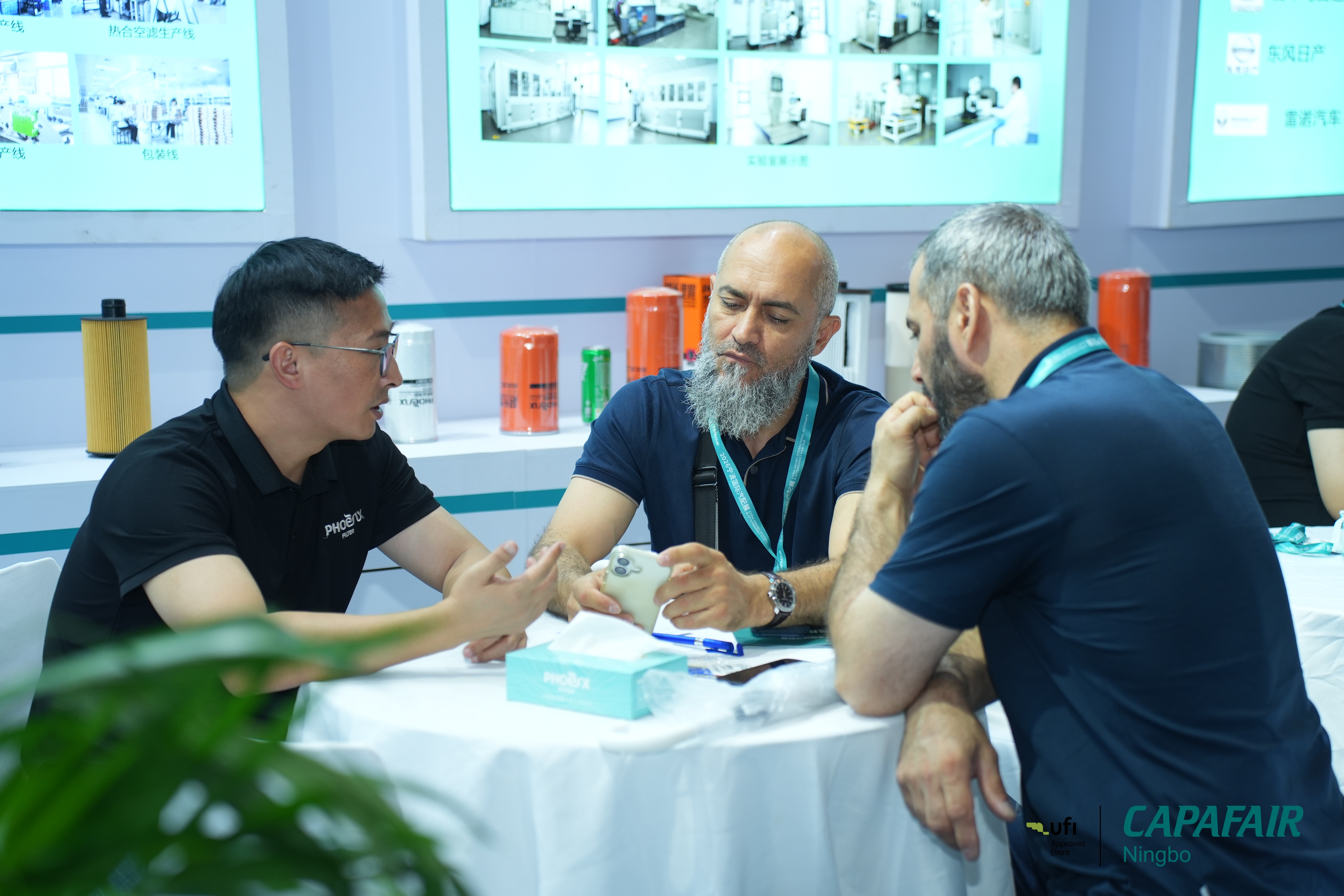
▲CAPAFAIR 2026 Exhibition Floor
05 North America & Oceania
Direct factory sourcing becomes a trend; niche segments offer standout opportunities
The North American and Oceania auto parts markets feature distinct local traits. Vast territories, long-distance driving and off-road culture create a landscape of concentrated popular models yet fragmented specific requirements. ICE parts dominate current demand, though NEV-related categories are growing fast. Buyers tend to bypass middlemen and connect directly with manufacturers.
A US truck parts buyer’s experience is illustrative: “We previously suffered quality issues caused by intermediaries, so I travelled to China in person to source original truck parts factories. I look for manufacturers with stable quality and reasonable quotations. There are many reliable factories in China.”
Several Australian buyers achieved fruitful results at the exhibition, mainly sourcing diesel engine components, NEV parts and cooling system parts. They commented: “Issues that could take days to clarify via email can be discussed in 10 or 15 minutes at the show. In most cases, we can inspect products in person and gauge the supplier directly — it is extremely efficient!”
Key takeaways synthesised from feedback across all regions
✅ Original manufacturers are the preferred partners
Large numbers of overseas buyers actively bypass middlemen and favour direct engagement with manufacturers, shortening supply chains to better control quality and lead times.
✅ Procurement evaluation framework upgraded; low price is no longer the primary consideration
Quality stability, continuous supply capacity, delivery schedules, product compliance, after-sales support and long-term cooperation potential together determine whether an order is finalised. The era of competing purely on price has passed.
✅ “Exhibition preliminary screening + factory audit” becomes the standard foreign trade procurement workflow
Overseas buyers typically complete initial shortlisting, sample assessment and business discussions at exhibitions, then conduct on-site factory visits to verify production lines, raw materials and quality control systems. CAPAFAIR serves as the starting point of this procurement journey.
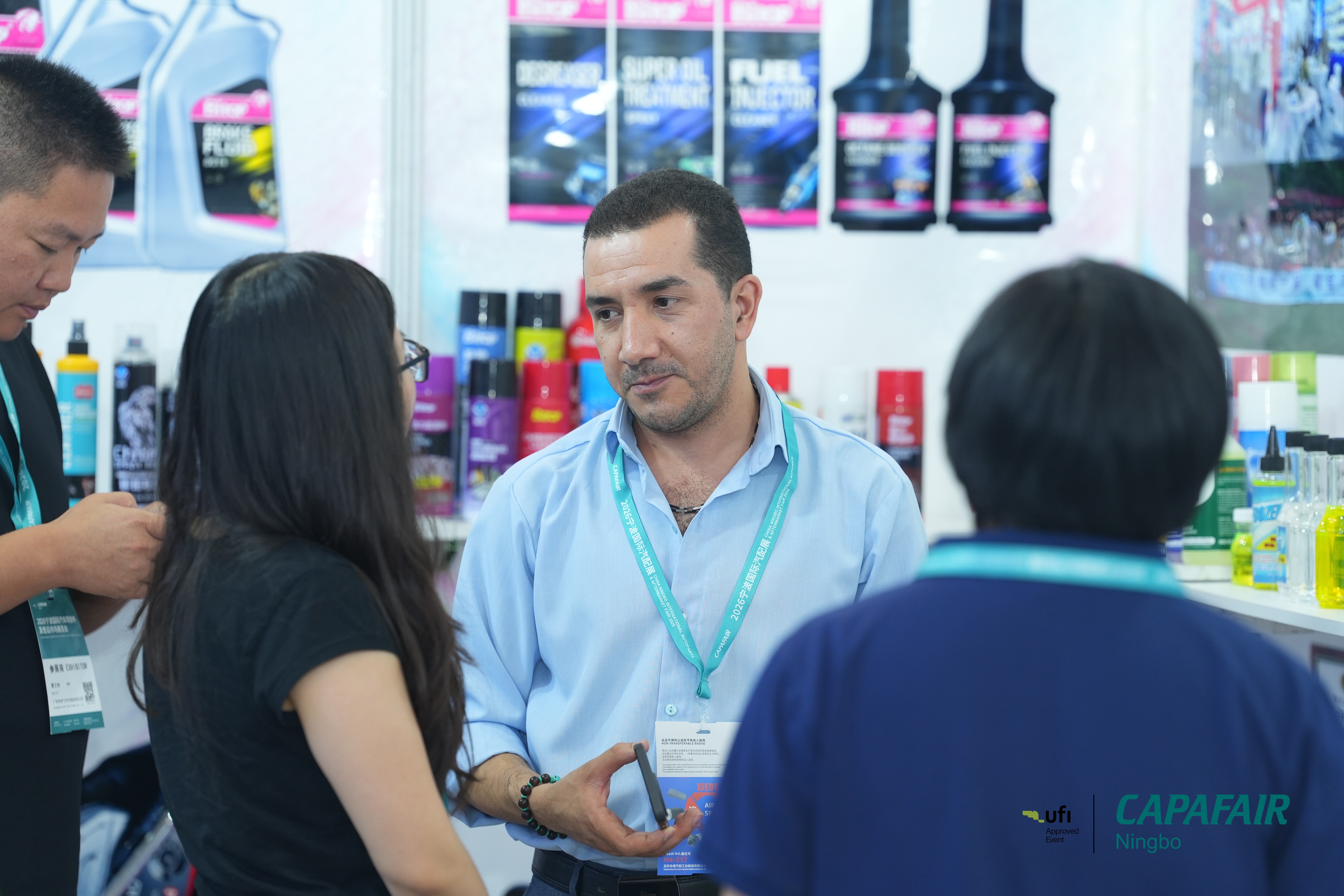
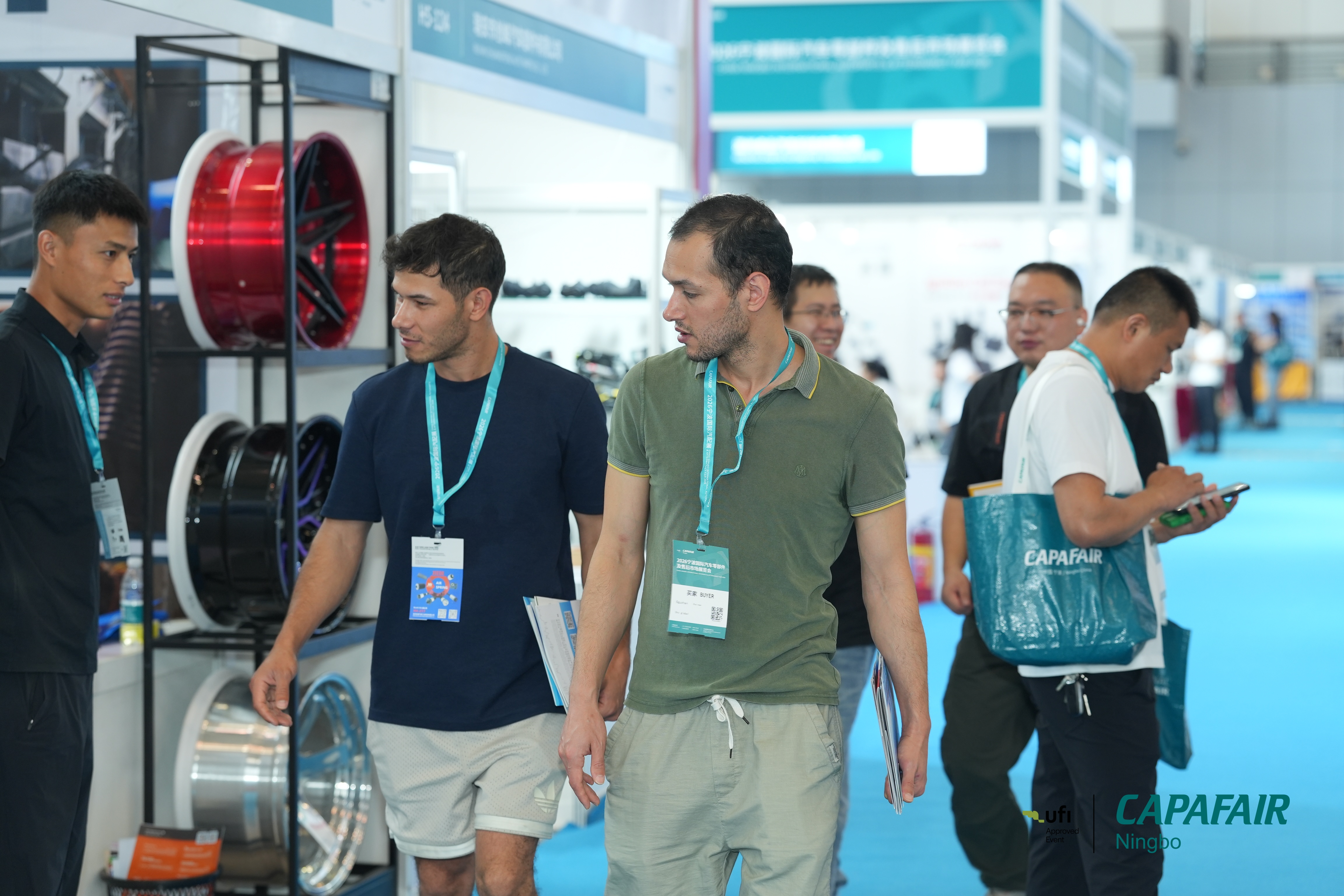
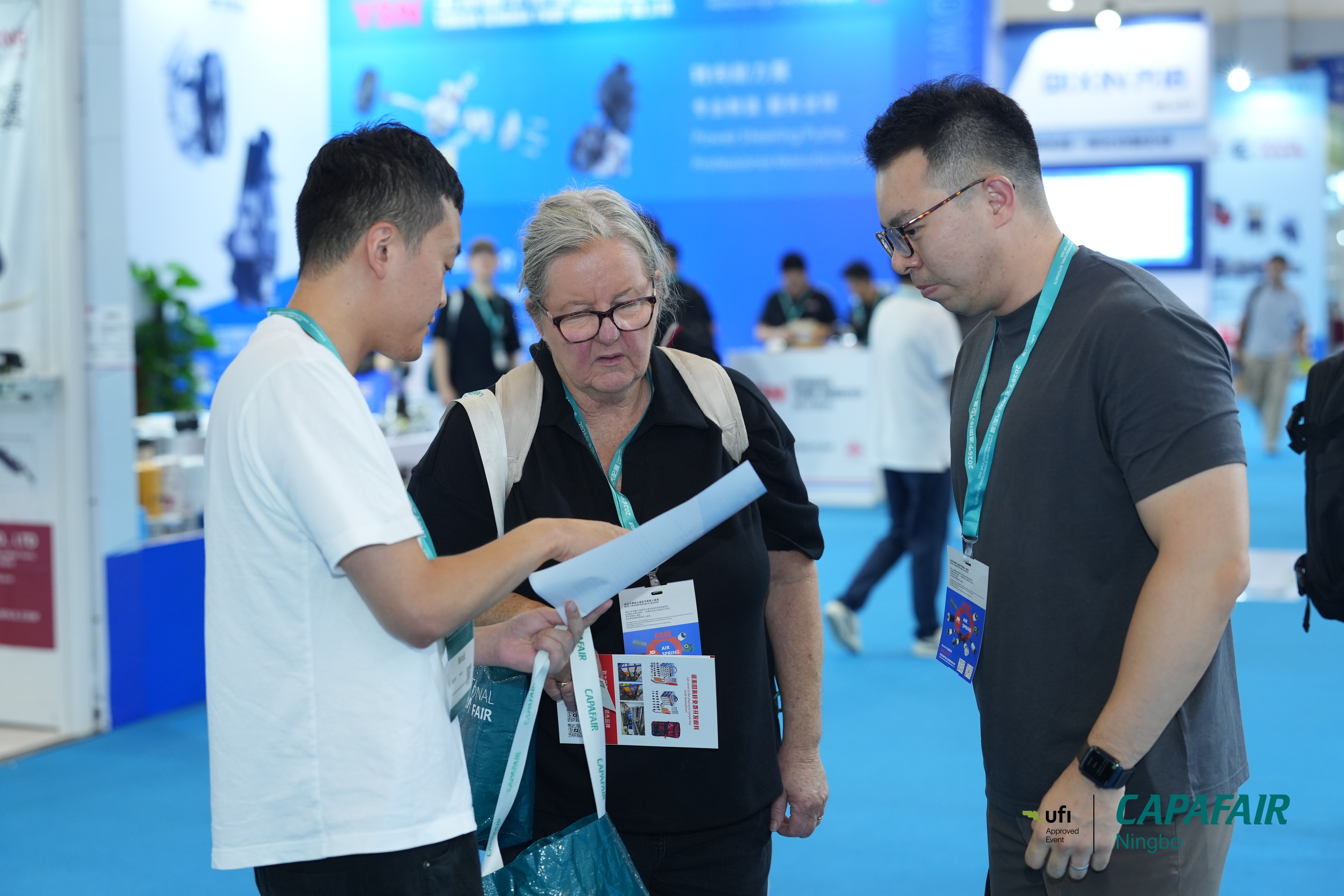
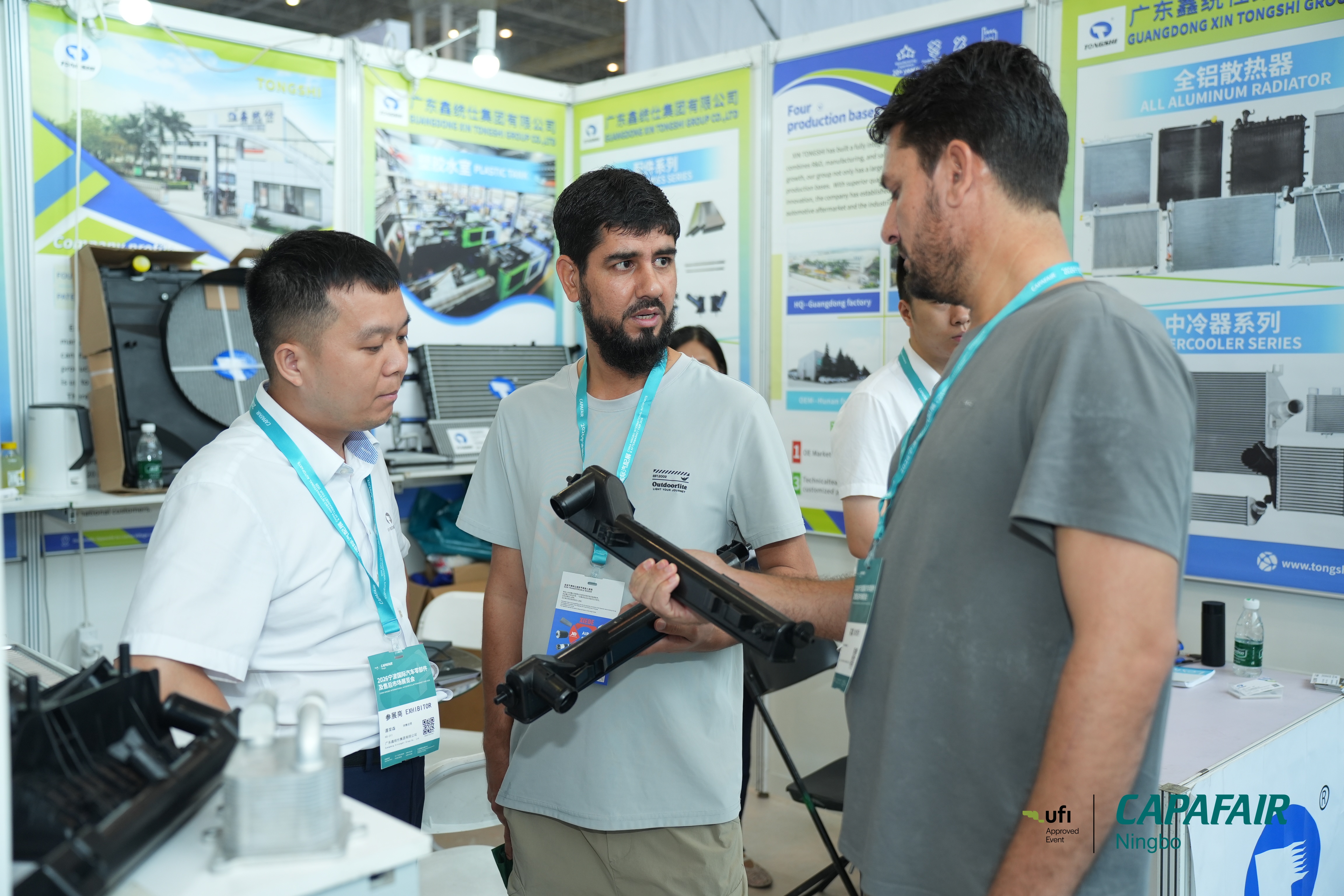
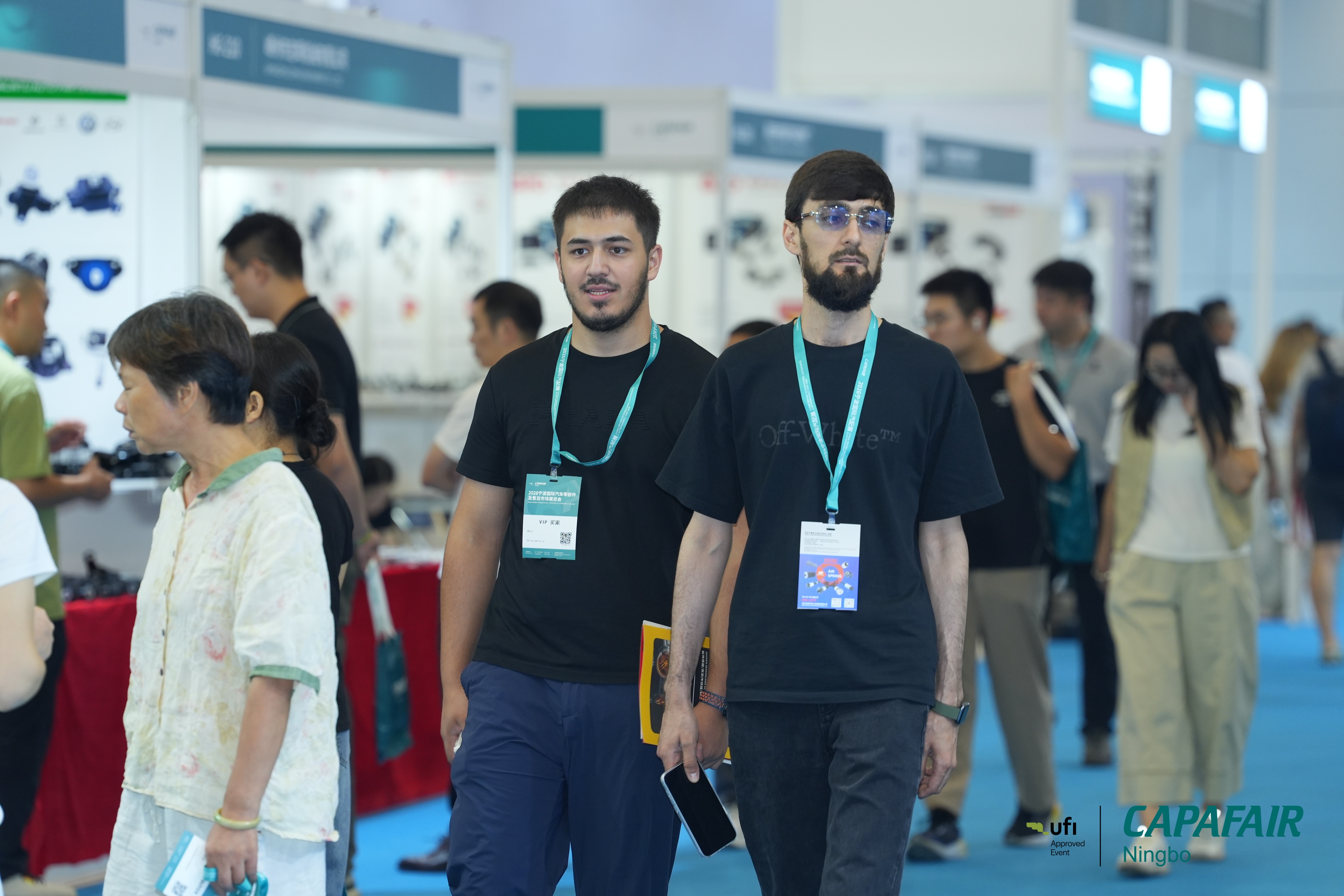
▲CAPAFAIR 2026 Exhibition Floor
Looking for an auto parts supply chain?
Want to connect with 2,200+ premium suppliers in one venue?
Hope to explore China’s mature auto parts industrial clusters all at once?
CAPAFAIR 2027 Ningbo International Auto Parts Exhibition
Worth your visit on site!


 9
9