欢迎来到 [东方港湾展览]
, 进入
2027宁波国际汽车零部件及售后市场展览会
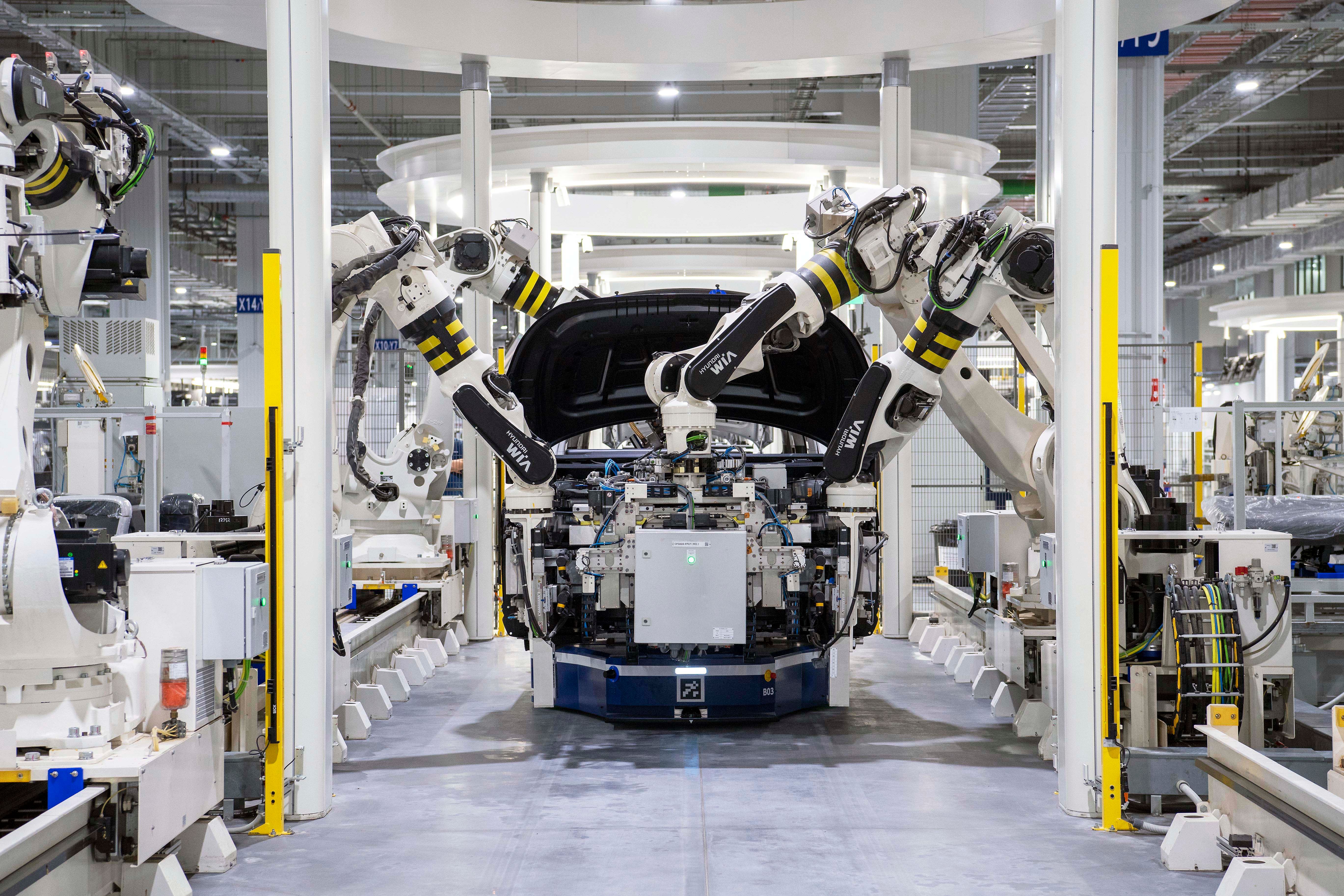
Auto parts don't rely on "hit products"; they especially require long-termism—continuous deep cultivation around vehicle models, categories, fitment, and supply chains. Today, as we enter the era of high vehicle age, the average vehicle age in mature markets such as Europe and the United States has reached 12–14 years. More and more auto parts sellers are leveraging cross-border e-commerce to sell products globally.
Unlimited potential! Going global in auto parts is imperative.
Developed countries have enormous vehicle ownership. According to "Vehicles on European Roads 2026" released by the European Automobile Manufacturers' Association (ACEA), the number of vehicles on European roads is huge, and the trend of vehicle aging continues. The average age of passenger cars in the EU has exceeded 12 years. The same is true in the United States. An automotive logistics market report released in November 2026 shows that the average age of vehicles in service in the United States is close to 13 years, with more than 40% of vehicles aged 12 years or older. A continuously aging stock fleet generates stable and lasting aftermarket replacement demand.
A deep automotive culture makes overseas auto parts consumption more diverse. DIY car repair and car modification cultures are strong in Europe, the United States, and Japan. Many car owners are keen on repairing cars themselves, upgrading performance, or creating personalized appearances. They have high requirements for quality, fitment, and category richness.

The popularity of online consumption has broadened the sales boundaries of auto parts products. Cross-border e-commerce breaks geographical restrictions, making it convenient for overseas buyers to compare prices, check fitment models, and search for niche accessories. As Chinese automotive brands accelerate their global expansion, the international market's recognition of Chinese auto parts products is no longer what it used to be, and the growth space for cross-border auto parts exports is considerable.
How should the auto parts business, which does not create "hit products," be laid out?
Auto parts do not create "hit products." Different vehicle models, model years, and markets correspond to different specifications and fitment requirements. A product that sells well today may only be an opportunity for a certain vehicle model or a certain region.
For example, the U.S. market is dominated by American and Japanese vehicle models; the European market is mainly focused on European models such as Volkswagen, Mercedes-Benz, BMW, and Audi; Australia, influenced by long-distance driving and off-road culture, has a high penetration rate of pickup trucks and four-wheel-drive vehicles, and models such as Toyota HiLux, Ford Ranger, and Land Cruiser have a large user base.
Therefore, what cross-border auto parts truly competes on is single products → categories, products → solutions, finding new products and expanding categories → broadening the product matrix.
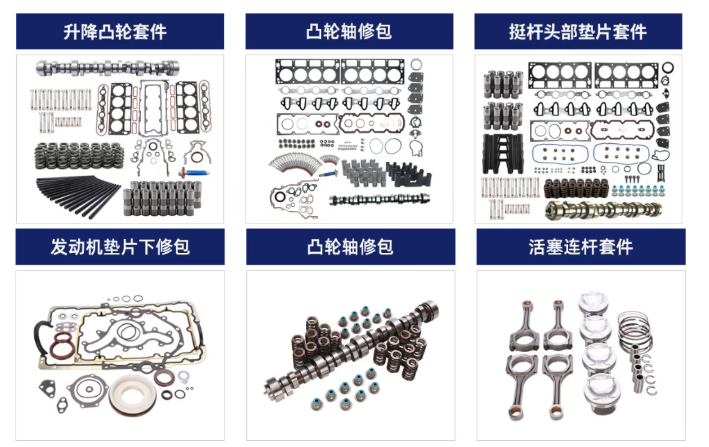
The large kit model has already been validated by the market: in the past, repair buyers had to place separate orders for more than a dozen parts and collect them all before they could start work; after integrating them into complete kits, everything can be supplied in one stop, saving customers the trouble of purchasing in batches, receiving goods in batches, and checking parts. (Image source: Ningbo Demier Auto Parts Co., Ltd. Booth No.: H1-206)
Industrial clusters are making a strong push! Chinese sellers are seizing the initiative.
China's auto parts industry currently has six major automotive parts clusters: the Yangtze River Delta, the Pearl River Delta, the Beijing-Tianjin-Hebei and Bohai Rim region, Northeast China, Central China, and Southwest China. Different regions have their own strengths, forming distinctive supply chain advantages.
For sellers, what is scarce is not "where the industry is," but whether they can, within limited time, access more industrial resources and find suppliers that suit them.
This is exactly the significance of CAPAFAIR.
Cross-border trade professionals can, at CAPAFAIR 2027:
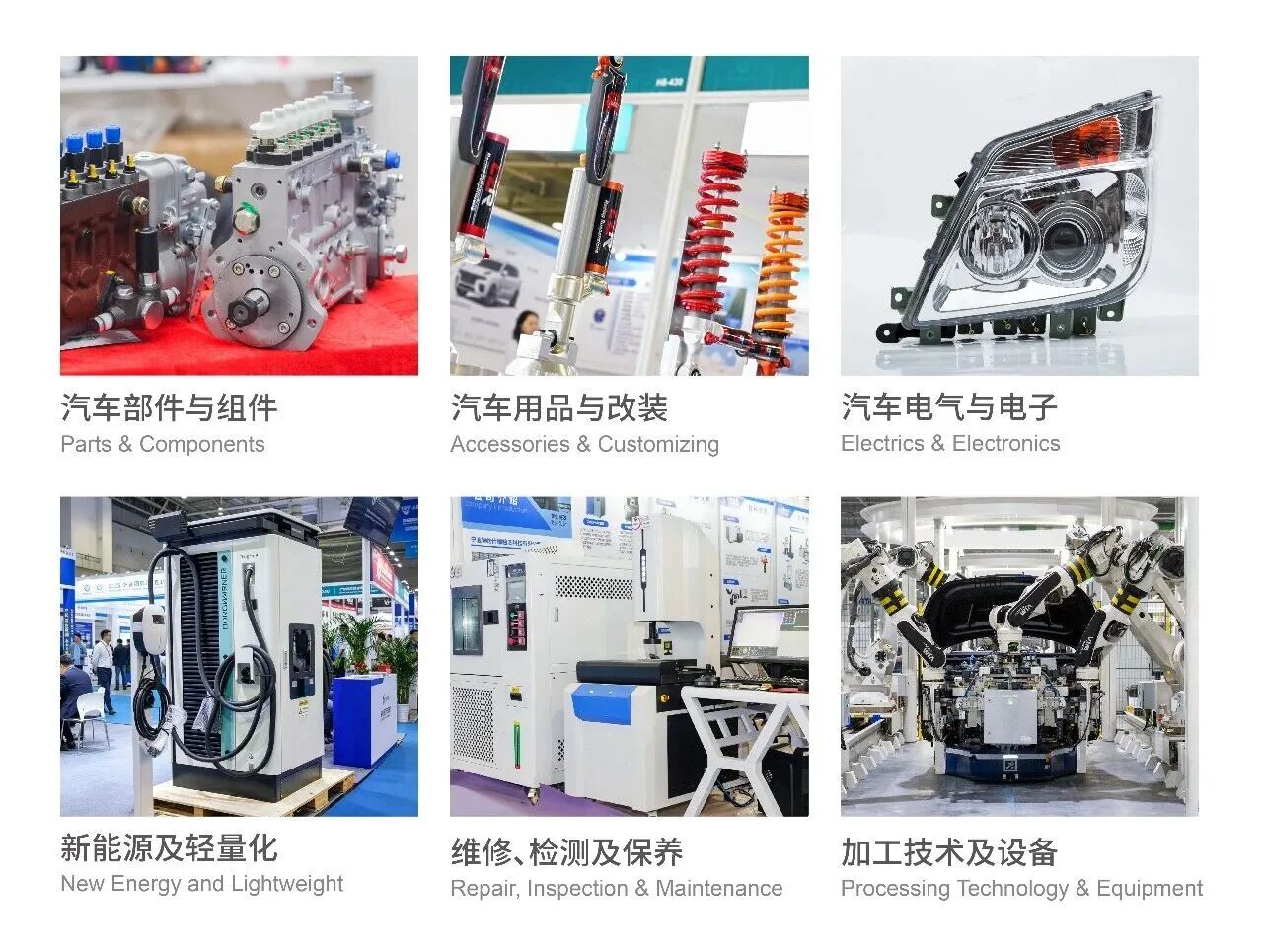
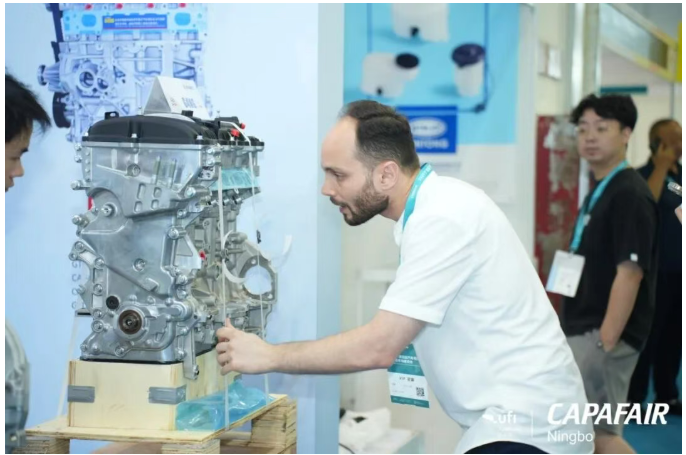
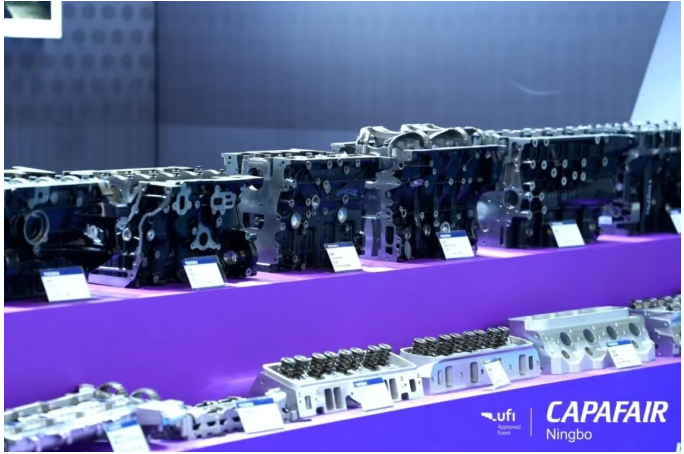
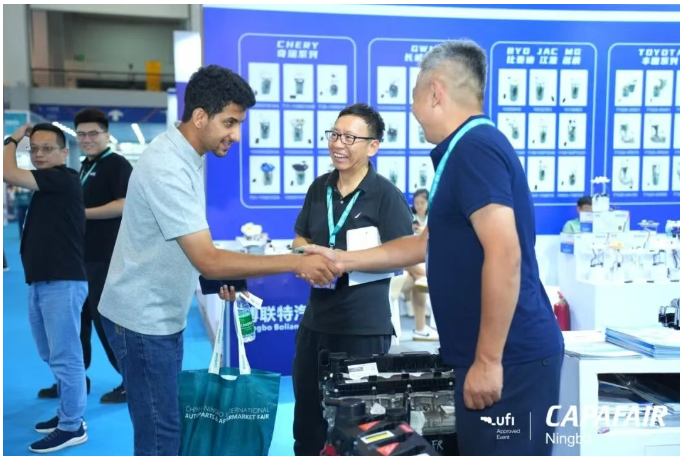


Looking at products is the first step.
Finding factories is the second step.
Understanding the market, platforms, and going global is the next step.
Global auto parts professionals are expected in Ningbo.
Come to 2027 CAPAFAIR Ningbo International Auto Parts Exhibition,
and turn the strength of China's auto parts industry into your global business!

 18
9
7
7
7
7
7
6
6
6
