欢迎来到 [东方港湾展览]
, 进入
2026宁波国际汽车零部件及售后市场展览会
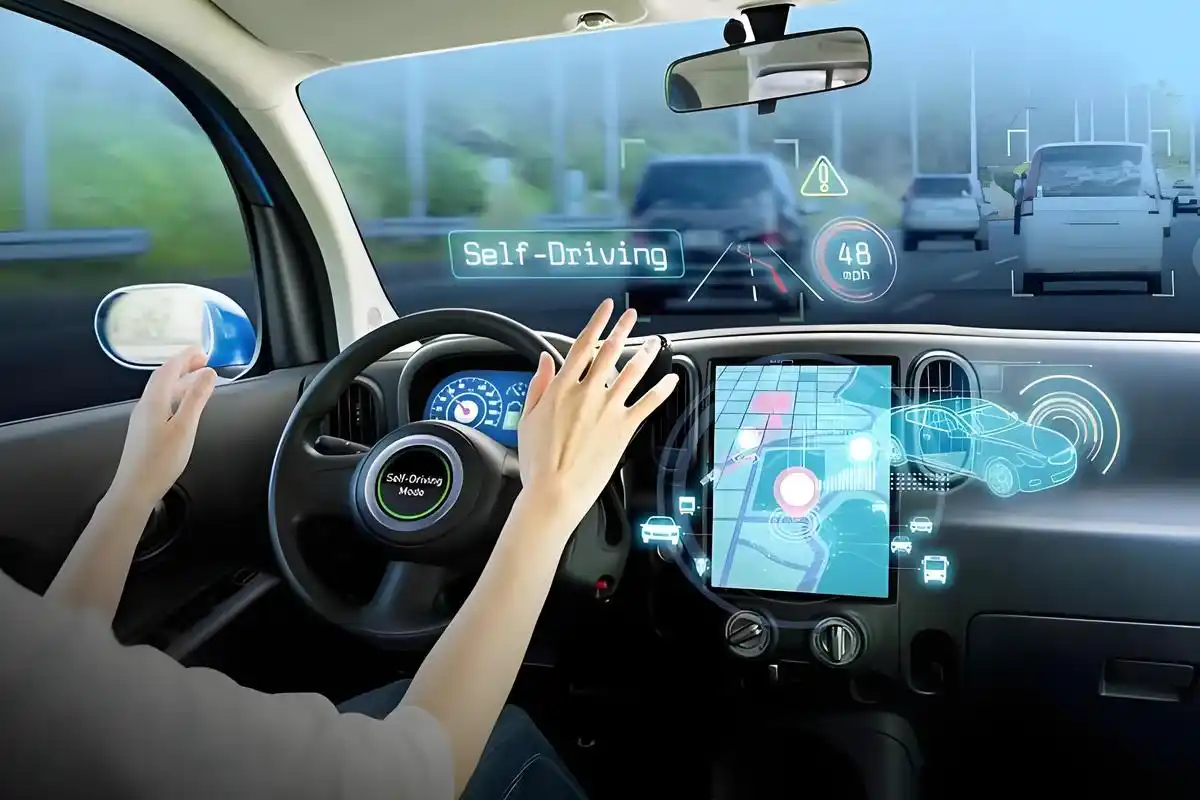
A recent theme release event in Beijing, "Renewed Development, Smart Mobility," highlighted that China's transportation system is undergoing a systematic transformation towards intelligent development. This shift is driven by a smart driving penetration rate exceeding 68% for passenger vehicles and a surge in the procurement of unmanned delivery vehicles.
Rapid Advancement in Vehicle Intelligence In road transportation, vehicle intelligence is accelerating. Wang Shuiyin, Vice President of the Transport Research Institute of the Ministry of Transport, reported that the penetration rate of intelligent driving passenger vehicles has surpassed 68%, and the total mileage of open test roads for autonomous driving nationwide has exceeded 28,000 kilometers. Technologically, evolution paths represented by the VLA architecture and world models are pushing autonomous driving towards higher levels of development.
Contrasting Need for Infrastructure Modernization In stark contrast, the intelligent upgrading of road infrastructure urgently needs to catch up. With a total road mileage of nearly 6 million kilometers—characterized by numerous points, long lines, and vast coverage—China's foundational transport network faces systemic adaptation pressures as AI and autonomous driving technologies proliferate.
Wang emphasized that advancing "digital-intelligent adaptation" is now a critical task for high-quality road development, aiming to create safer, more resilient, green, low-carbon, and communication-reliable highways. He proposed two key pathways:
Establishing a unified architecture platform based on world models to fully integrate road and vehicle systems.
Orienting road digitalization towards operational management and advisory services, focusing on resolving infrastructure digital twin challenges.
Unmanned Vehicles Revolutionizing Logistics In the express logistics sector, unmanned delivery vehicles are becoming advanced productivity tools handling massive volumes. With national express parcel volume reaching 180 billion pieces by November 30, leveraging technology for efficiency is imperative.
Jin Bing, former Deputy Director-General and Inspector of the Policy and Regulations Department of the State Post Bureau, noted that logistics unmanned vehicles offer significant advantages like mature technology and low cost, making them an increasingly popular choice. Market data confirms this explosive growth: procurements by major express logistics firms alone are projected to exceed 28,000 units in 2025, a dramatic increase from the industry-wide total of approximately 6,000 units last year.
Policy Support and Future Integration This scaling is underpinned by clear and deepening policy guidance. Key national policies issued in 2025 include directives on vehicle-grid interaction pilots, an "AI + Transportation" implementation plan, and guidelines for accelerating new scenario development and application.
Looking ahead, Jin Bing pointed out that driven by overlapping policies like "low-altitude economy" and "AI Plus" initiatives, unmanned vehicles are deepening their integration with other unmanned systems (e.g., drones, smart robots) and manned new energy intelligent connected vehicles. This convergence is becoming an indispensable component of building a comprehensive three-dimensional transport network.
 233
225
171
104
88
10
8
8
5
5
233
225
171
104
88
10
8
8
5
5
